

Webinar: Options for the EU ETS
We presented Sandbag’s analysis of different design options for the EU ETS, and discussed proposals to mitigate potential negative impacts.

We presented Sandbag’s analysis of different design options for the EU ETS, and discussed proposals to mitigate potential negative impacts.

Our position paper analyses the proposals by the Commission and EU ETS rapporteur MEP Peter Liese and presents Sandbag’s proposals.
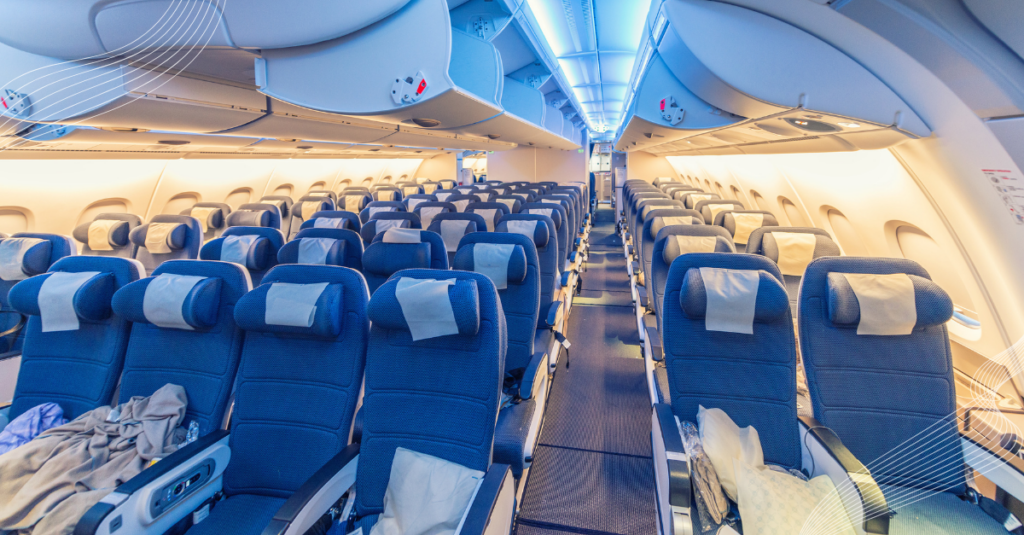
This brief proposes that access by airlines to emission allowances from other sectors should gradually be reduced.
In this brief, we analyse how the proposed changes will impact the supply and demand balance of the emission allowance market.
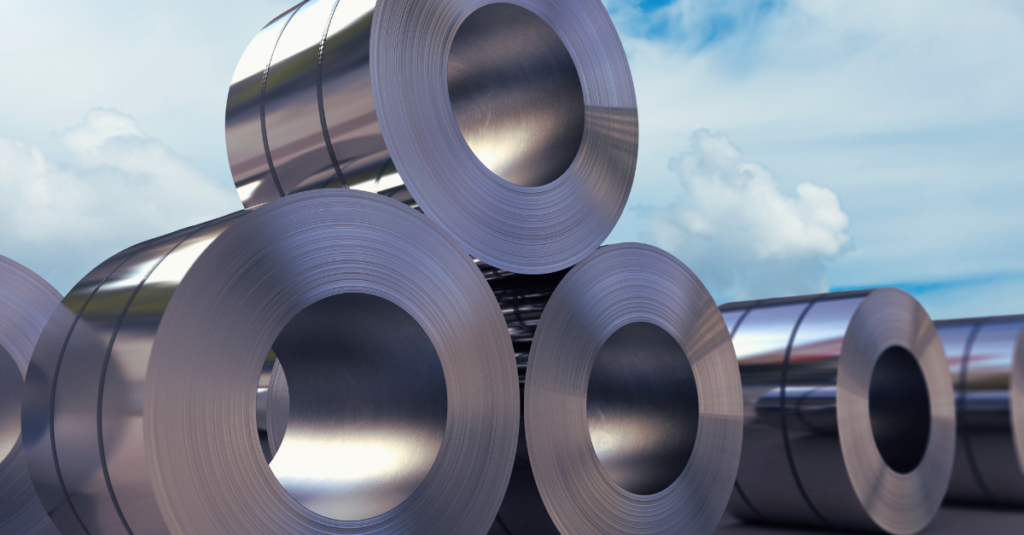
Our technical brief on how the ETS is a net benefit for European steelmakers was covered by ESG.Table, alongside a response from Thyssenkrupp Steel, which raised three objections. This response analyses the German steelmaker’s claims.
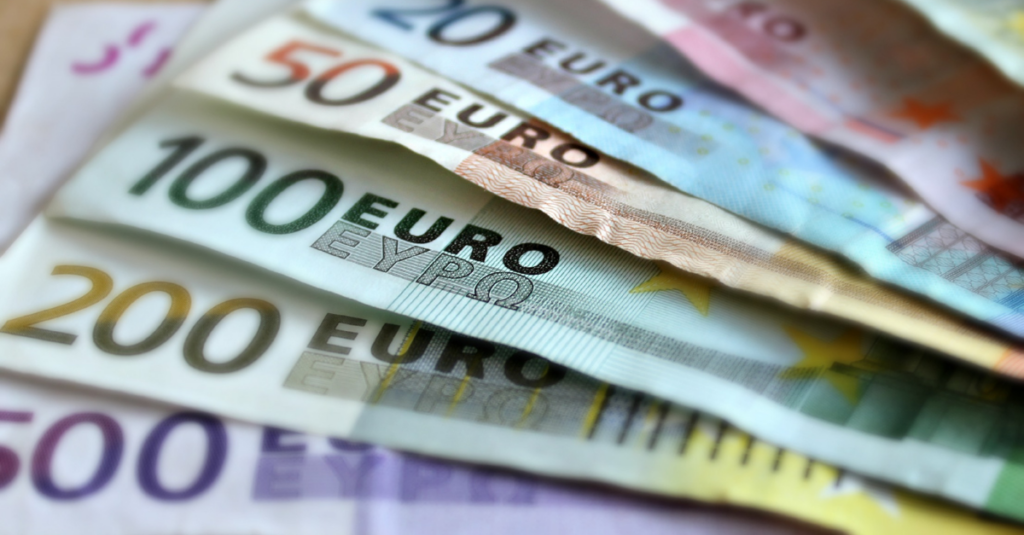
This brief challenges recent industry claims that EU steelmakers are being harmed by the EU’s Emissions Trading System and finds that the opposite is true.

Based on our updated EU ETS simulator, this technical brief models the impact of the several proposals on the carbon market’s supply/demand balance under the European Commission’s impact assessment emission scenarios.
Sandbag’s response to the public consultation on the European Commission’s proposed revision of the benchmark values of free allocation of emission allowances (2026-2030).
This brief examines whether the claims by Czechia and Italy that the EU ETS is responsible for declining industrial competitiveness hold up to scrutiny.

Mundo Matogné. Rue d’Edimbourg 26, Ixelles 1050 Belgium. Sandbag is a not-for-profit (ASBL) organisation registered in Belgium under the number 0707.935.890. EU transparancy register no. 277895137794-73. VAT: BE0707935890