

Our Impact
Our Impact
September
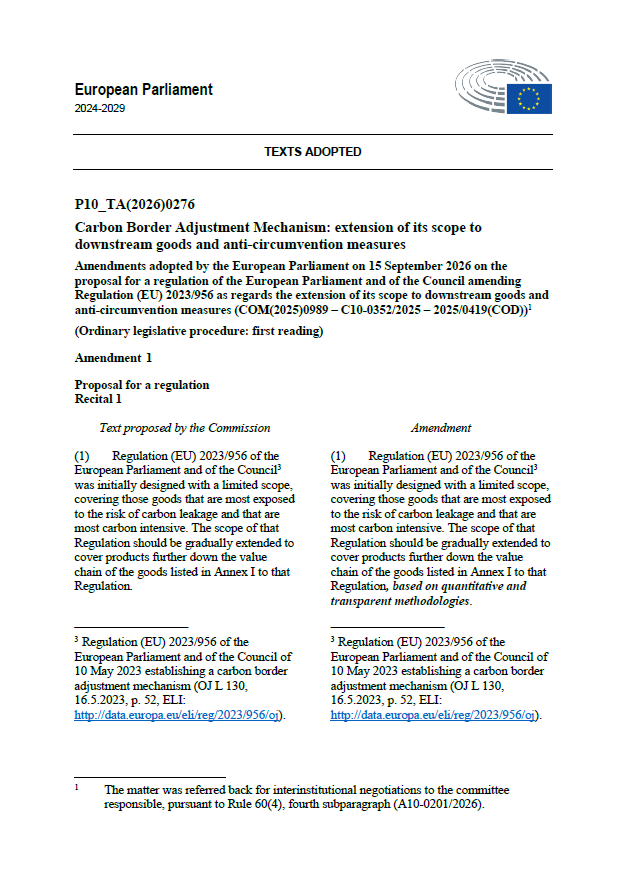
European Parliament voted to remove Article 27a from the CBAM
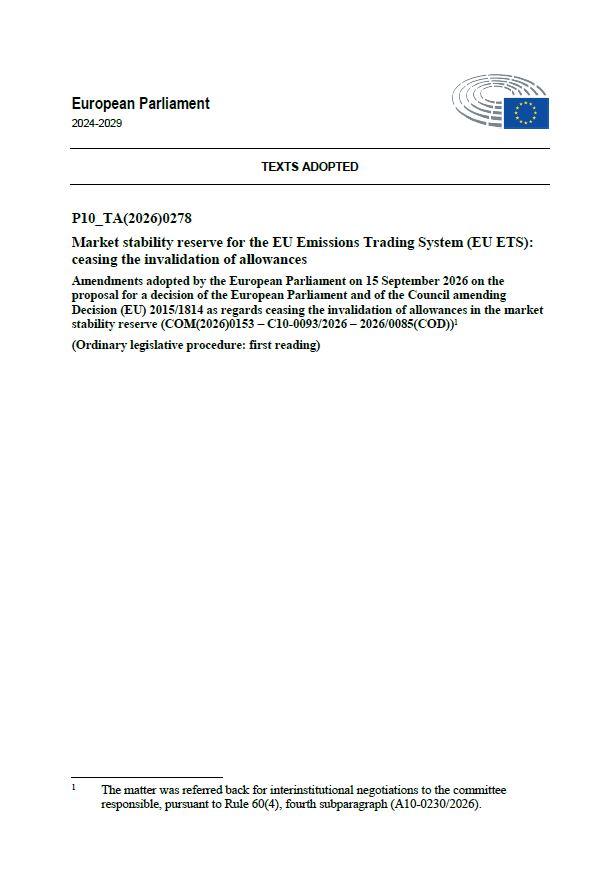
European Parliament voted to reinstate the invalidation of allowances in the MSR
March
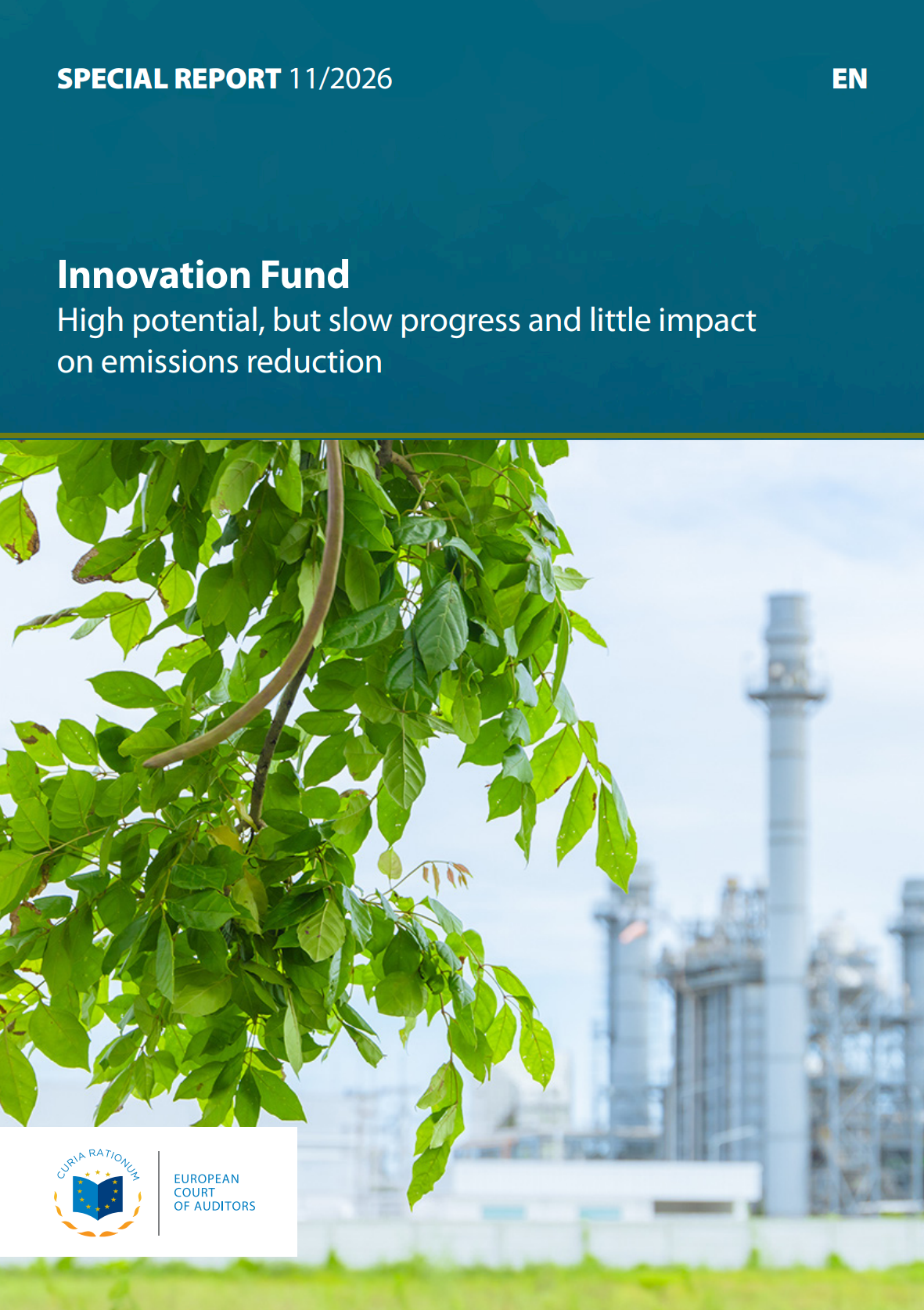
European Court of Auditors cited Sandbag in its report on the Innovation Fund
February
MEP Mohammed Chahim cited Sandbag
December
Sandbag’s analysis was cited in the European Commission’s CBAM impact assessment
October
Our proposal to include emissions from post-consumer scrap in the CBAM’s scope was echoed by European Aluminium
September
Sandbag’s CBAM findings on the “scrap loophole” taken up in the Draghi report (2024)
January
The Free Allocation Regulation was amended
May
Changes to the Innovation Fund follow one of Sandbag’s recommendations
April
Rebasing was adopted in the EU ETS
September
European Parliament voted to remove Article 27a from the CBAM
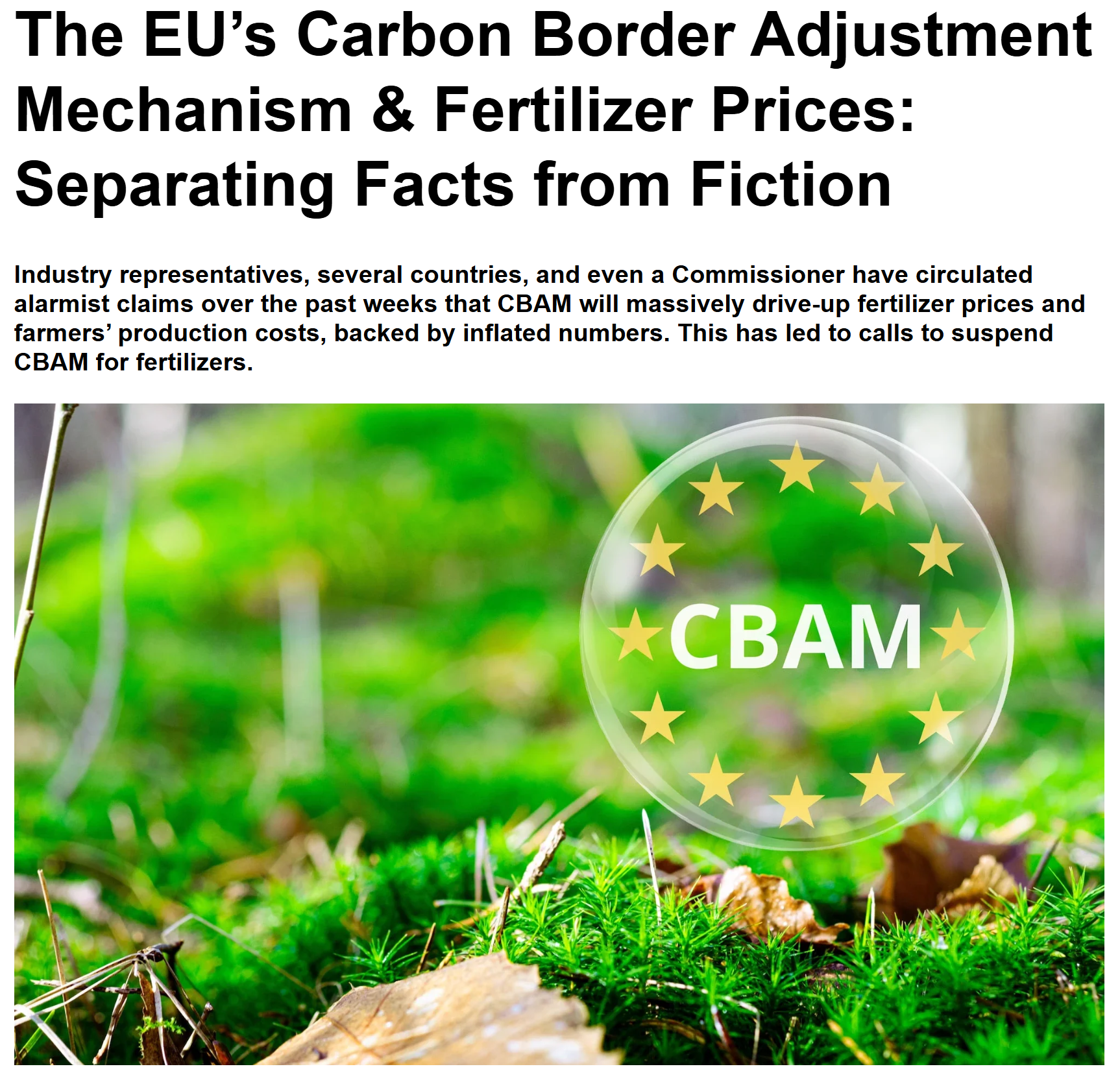
This is an achievement for Sandbag as it comes after our calculations and analysis on the CBAM and the drivers of fertiliser price increases was circulated extensively and quoted by MEP Mohammed Chahim, rapporteur for the CBAM at the European Parliament, who opposed the use of Article 27a.
Sandbag’s position paper on the Commission’s legislative proposal amending the CBAM had advocated for the deletion of Article 27a.
Read the position paper (see p. 3).
Read the amendment (see p. 44).
European Parliament voted to reinstate the invalidation of allowances in the MSR
Sandbag had advocated against stopping MSR invalidation, highlighting the impact thereof on the carbon market’s supply/demand balance.
Read our analysis (see p. 3).
Read the amendment (see p. 4).
March
European Court of Auditors cited Sandbag in its report on the Innovation Fund
Sandbag’s analysis was cited in the European Court of Auditor’s special report on the innovation fund, published on 23 March, 2026.
Citing Sandbag, the report notes that the rating system rewards over-optimistic estimates. As this methodology is used for two of the five award criteria, it is a serious structural flaw.
Read the report (see p. 30).
February
MEP Mohammed Chahim cited Sandbag
Sandbag’s calculations and analysis on the CBAM and the drivers of fertiliser price increases was circulated extensively and quoted by MEP Mohammed Chahim, rapporteur for the CBAM at the European Parliament, who opposed the use of Article 27a.
December
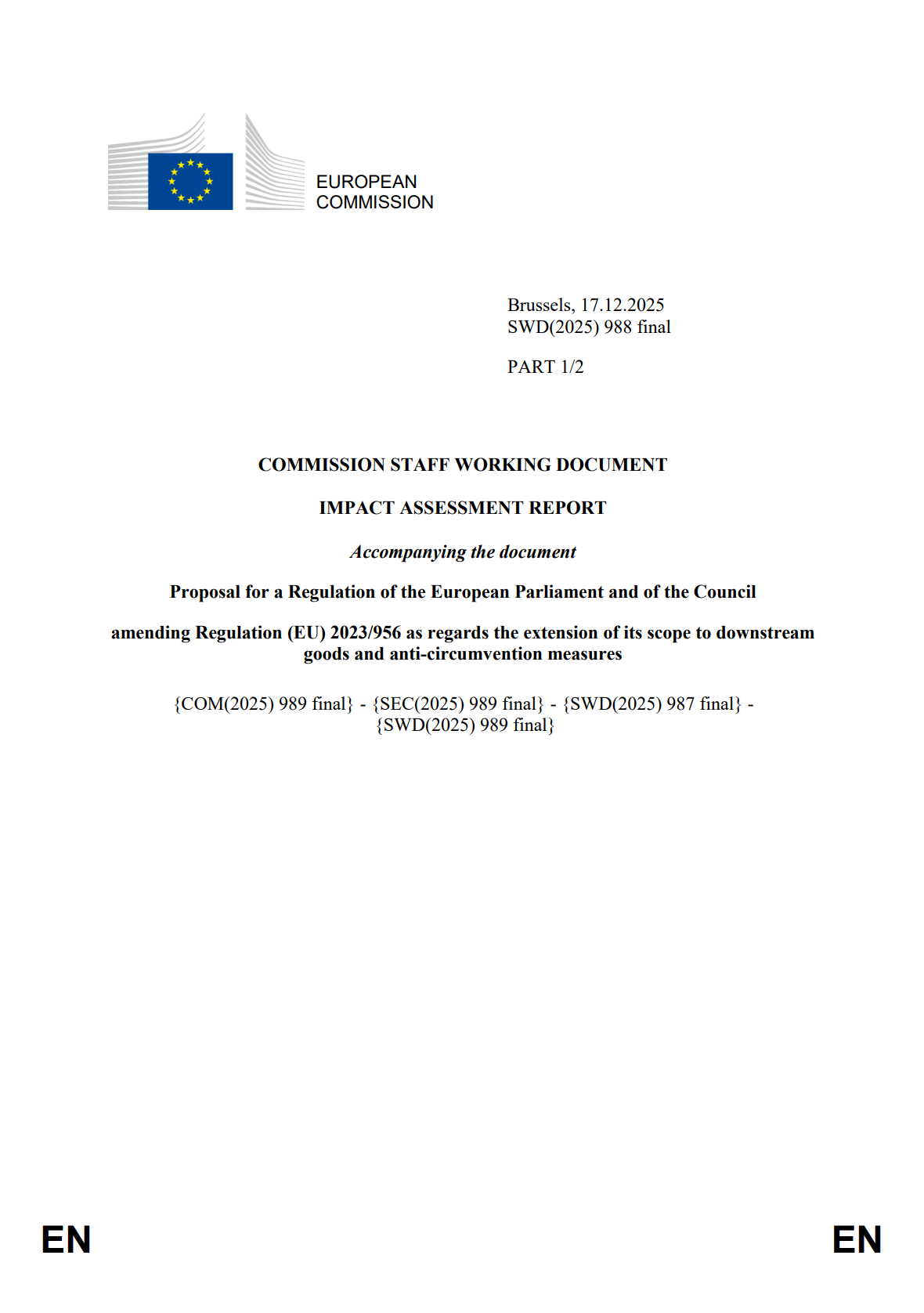
Sandbag’s analysis was cited in the European Commission’s CBAM impact assessment
Sandbag’s analysis was cited in the European Commission’s CBAM impact assessment published on 17 December 2025. The assessment recognises the risks of CBAM circumvention previously raised by Sandbag and refers to our response to the Commission’s public consultation on CBAM reform, Strengthening the CBAM — by default (August 2025), where we made proposals to mitigate these risks.
Read the Commission’s Impact Assessment – Part 1 (see p. 7 and p. 14) and Impact Assessment – Part 2 (see p. 6).
October
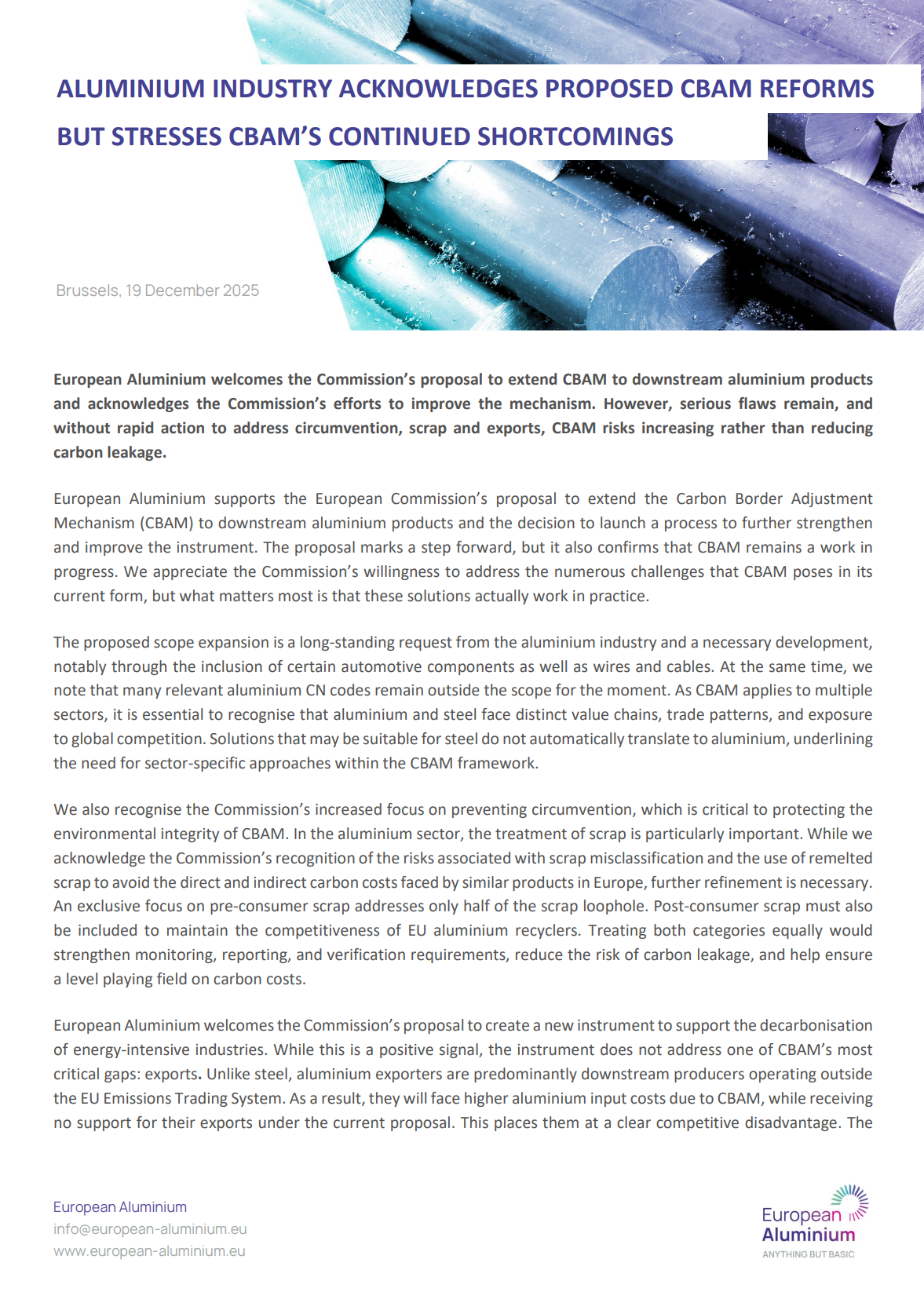
Our proposal to include emissions from post-consumer scrap in the CBAM’s scope was echoed by European Aluminium
Sandbag consistently warned that excluding embedded emissions from post-consumer scrap under the CBAM would undermine the mechanism’s integrity by enabling circumvention through resource shuffling.
- February 2023 – Sandbag warned that assuming zero embedded emissions for scrap creates incentives to game the CBAM, allowing exporters to strategically divert scrap to EU-bound products without reducing emissions (“Mind the Scrap: Ignoring Embedded Emissions Puts the CBAM at Risk”).
Read it here. - 2023 – Sandbag raised these concerns in discussions with the CBAM Expert Group, where the risks linked to post-consumer scrap were initially dismissed by parts of industry.
- May 2025 – Sandbag reiterated that the CBAM must be strengthened to prevent circumvention by expanding its scope vertically (to cover key precursors) and horizontally (to cover remaining ETS sectors), explicitly highlighting remaining emissions gaps linked to scrap.
Read it here. - August 2025 – Sandbag detailed how the CBAM’s default emissions reporting method enables circumvention, as steel and aluminium scrap is still treated as having no embedded emissions. This allows exporters to reduce CBAM fees through strategic scrap blending, without delivering real emissions reductions (“Strengthening the CBAM — by default”).
Read it here. - By late 2025, European Aluminium publicly acknowledged the risks associated with post-consumer scrap under the CBAM, aligning with Sandbag’s long-standing position that embedded emissions in scrap must be addressed to safeguard the mechanism against circumvention.
Read it here.
September
Sandbag’s CBAM findings on the “scrap loophole” taken up in the Draghi report (2024)
Sandbag’s findings on the CBAM “scrap loophole” — highlighting how the zero-emissions assumption for recycled materials could incentivise circumvention — were relayed in Mario Draghi’s report on European competitiveness (September 2024).
This concern had been raised consistently by Sandbag and was set out in our June 2024 report A Scrap Game: Impacts of the EU Carbon Border Adjustment Mechanism.
Relevant documents:
Sandbag report – A Scrap Game: Impacts of the EU Carbon Border Adjustment Mechanism (June 2024).
Draghi report – Part A – A competitiveness strategy for Europe.
Draghi report – Part B – In-depth analysis and recommendations.
January
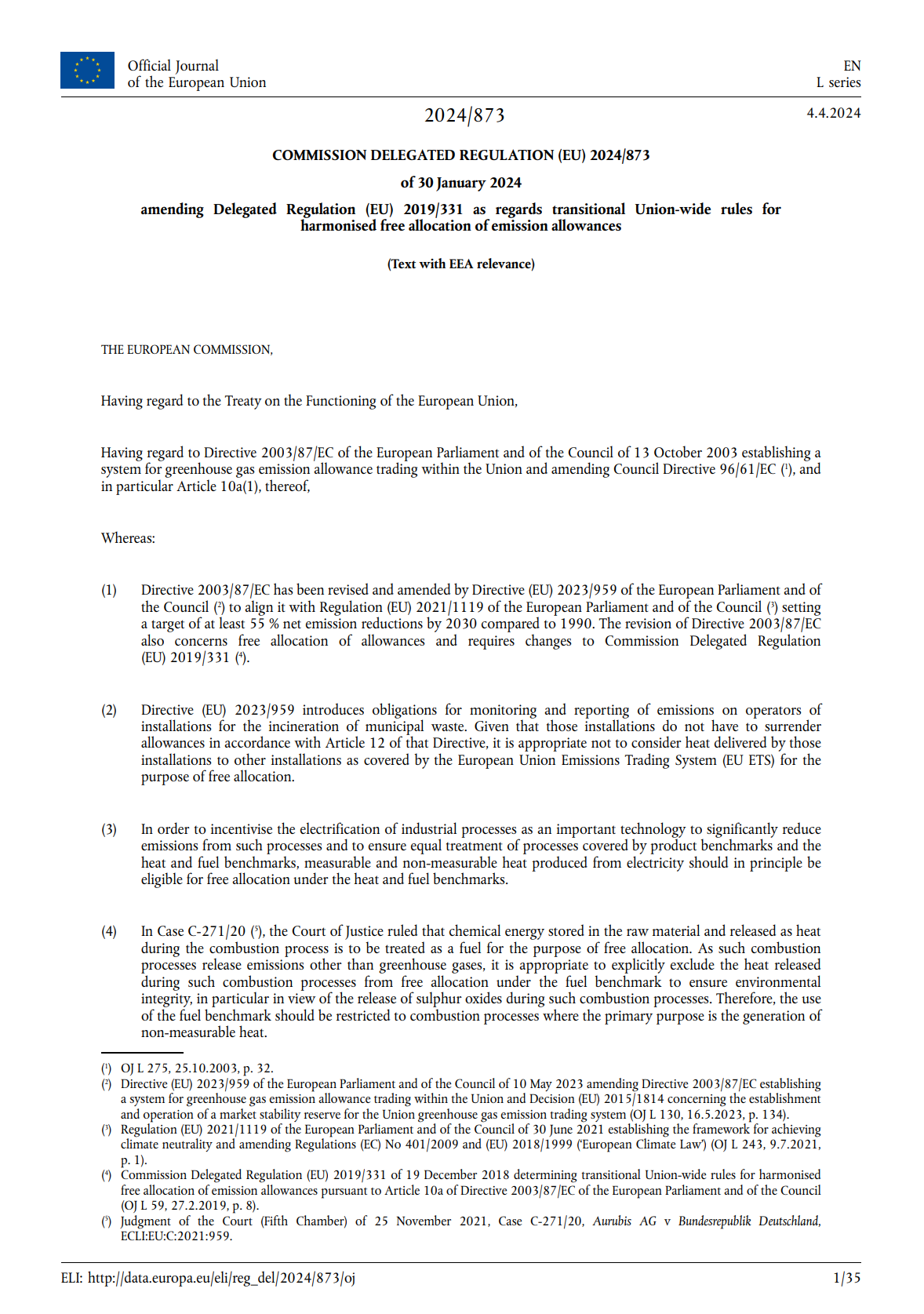
The Free Allocation Regulation was amended
The Free Allocation Regulation was amended, extending free allocation benchmarks to low-carbon production routes such as direct reduced iron and non-clinker cement binders.
This amendment concluded a long process during which Sandbag contributed to the Commission’s Climate Change Expert Group, reached out to Member States, built a coalition of civil society and recycling industry organisations in support of improved free allocation benchmarks.
May
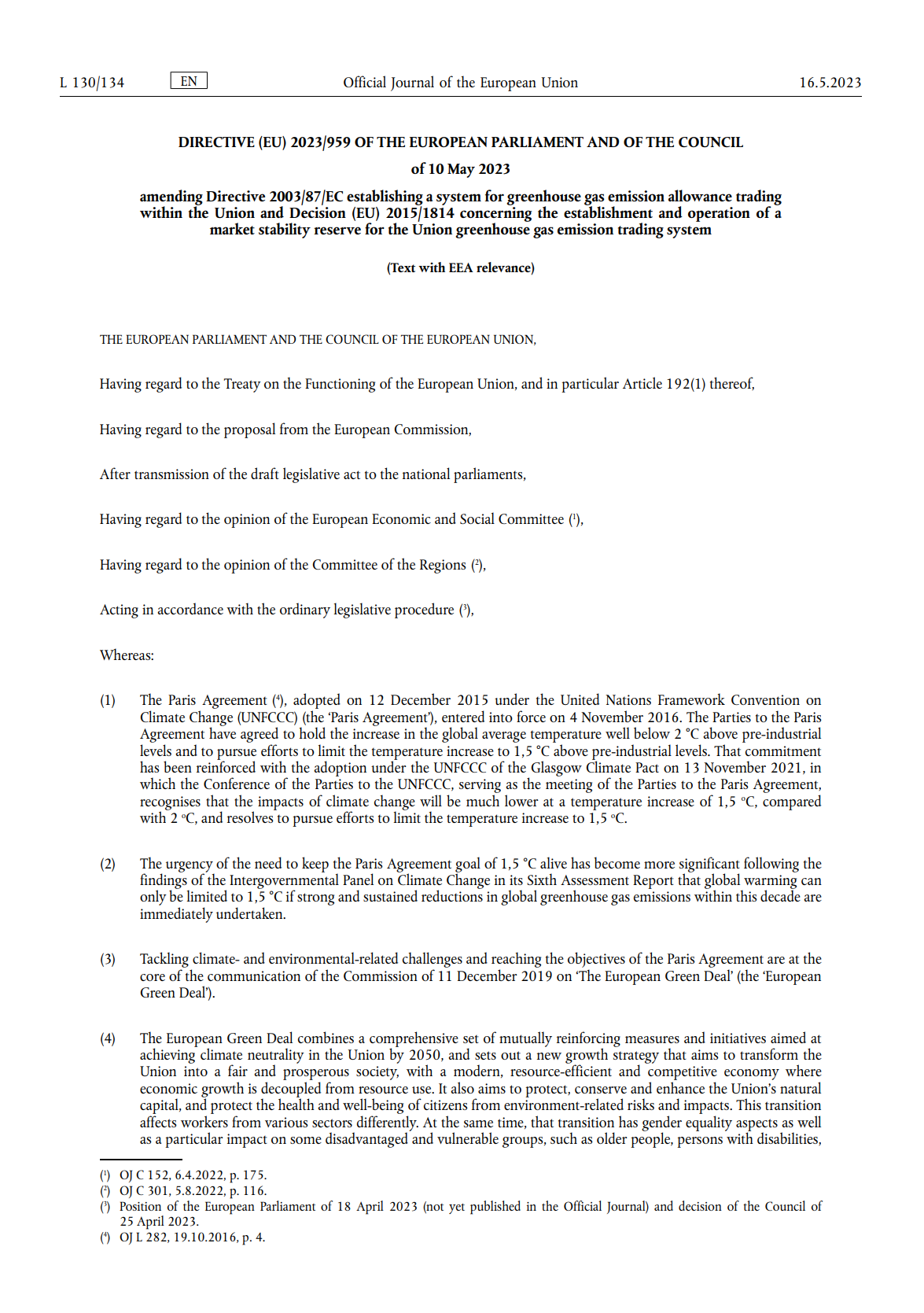
Changes to the Innovation Fund follow one of Sandbag’s recommendations
The Innovation Fund was amended to allow performance-based auctions for hydrogen production. We had recommended that the Innovation Fund should switch to performance-based support (rather than grants) for projects with low technology risk like hydrogen production.
April
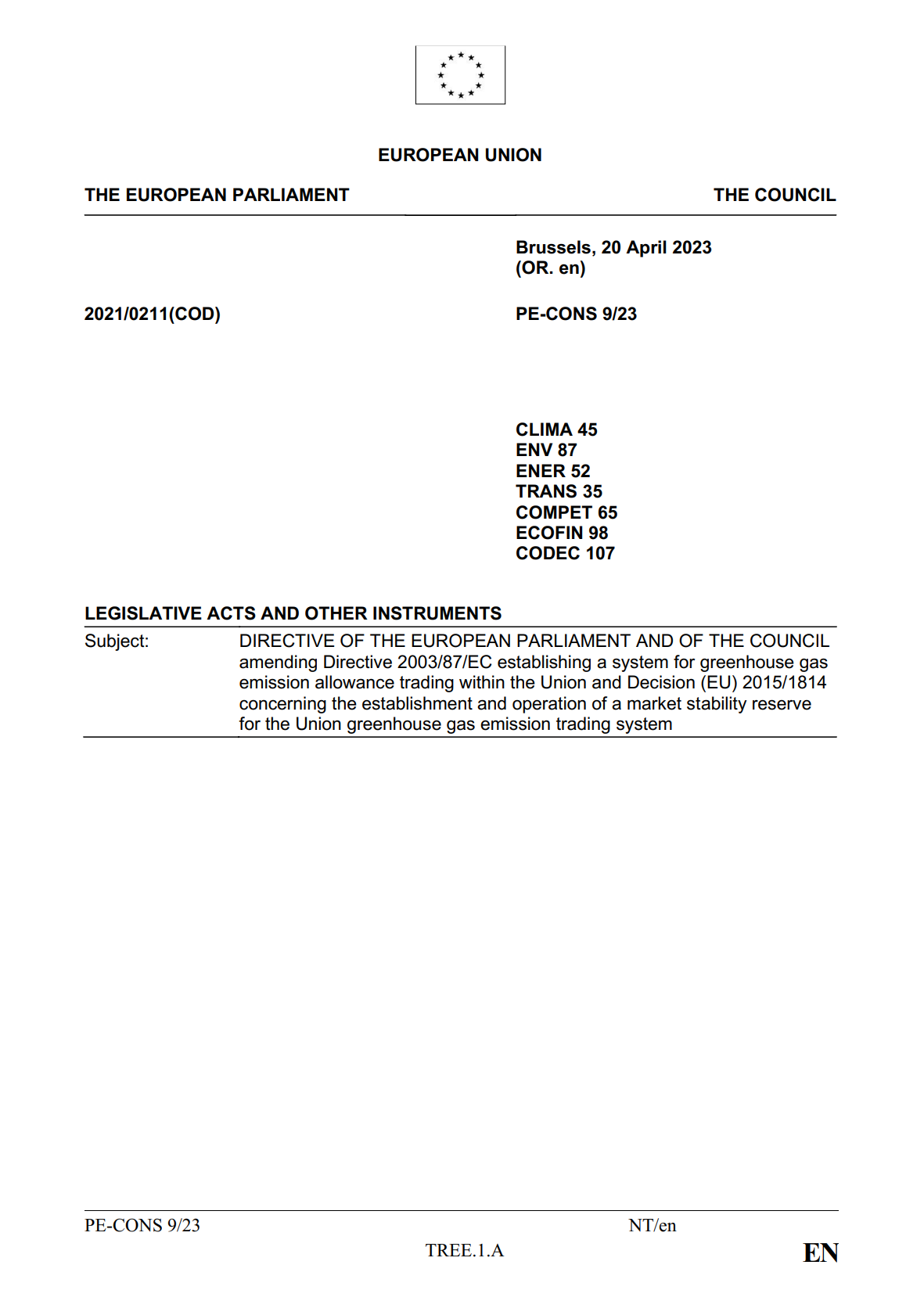
Rebasing was adopted in the EU ETS
The cap was revised downwards with an accelerated linear reduction rate and an immediate reduction of 117 million tonnes.
This adjustment, nicknamed rebasing, was first proposed by Sandbag in 2016.
Our Advocacy
Webinar: Options for the EU ETS
We presented Sandbag’s analysis of different design options for the EU ETS, and discussed proposals to mitigate potential negative impacts.
EU ETS amendments: what matters
Our position paper analyses the proposals by the Commission and EU ETS rapporteur MEP Peter Liese and presents Sandbag’s proposals.
Webinar: The CBAM’s real impact on India
Our webinar aims to present and discuss our upcoming report on the CBAM’s impact on India and introduce our updated CBAM simulator.

Mundo Matogné. Rue d’Edimbourg 26, Ixelles 1050 Belgium. Sandbag is a not-for-profit (ASBL) organisation registered in Belgium under the number 0707.935.890. EU transparancy register no. 277895137794-73. VAT: BE0707935890