

Building Smarter Climate Policy
We are a think tank conducting data-driven and evidence-based advocacy to improve climate policy in the EU and beyond.
Webinar: Options for the EU ETS
We presented Sandbag’s analysis of different design options for the EU ETS, and discussed proposals to mitigate potential negative impacts.

EU ETS amendments: what matters
Our position paper analyses the proposals by the Commission and EU ETS rapporteur MEP Peter Liese and presents Sandbag’s proposals.
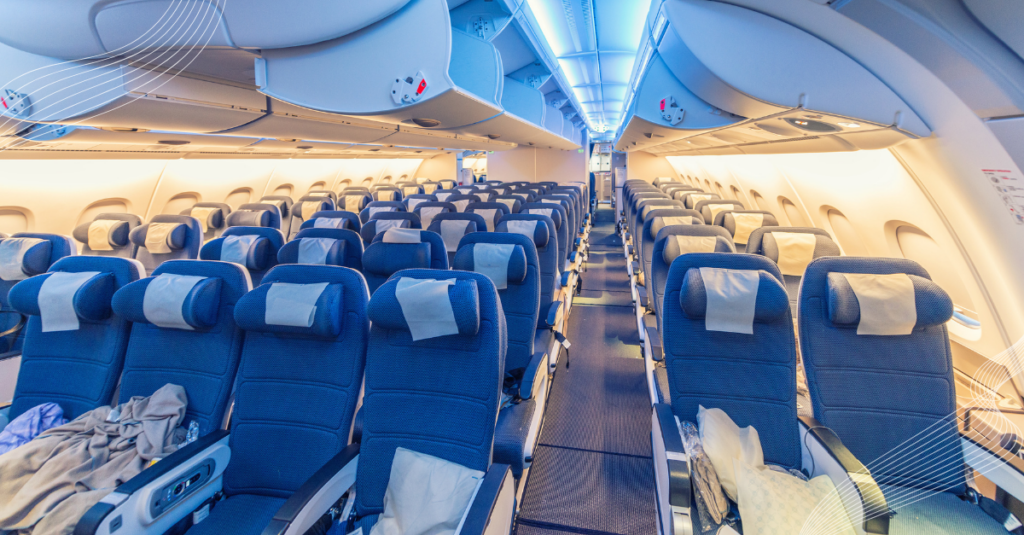
Putting a seat belt on allowance use: how aviation could do its part
This brief proposes that access by airlines to emission allowances from other sectors should gradually be reduced.
EU ETS review: impacts on the market balance
In this brief, we analyse how the proposed changes will impact the supply and demand balance of the emission allowance market.
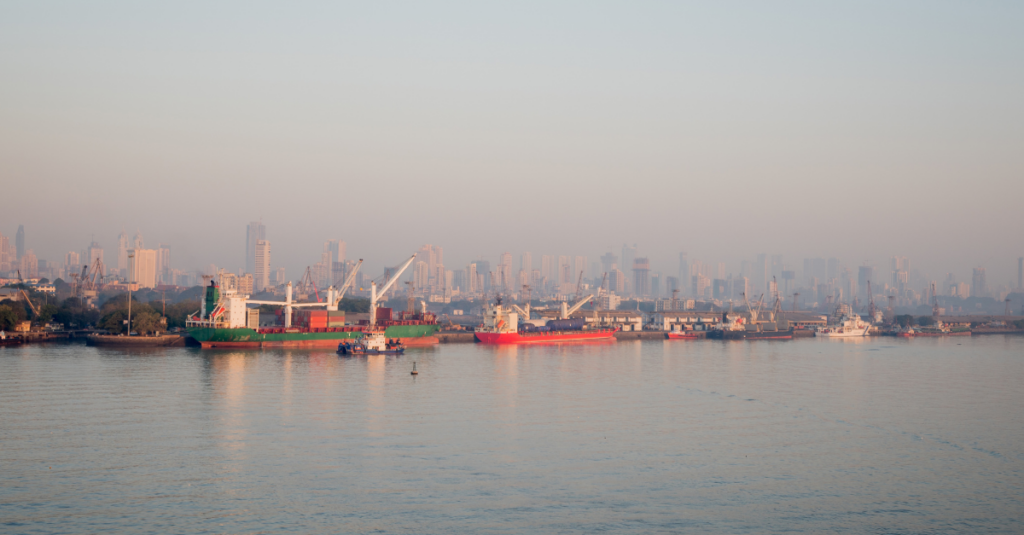
The CBAM’s real impact on India
This report makes a granular assessment of India’s ability to remain competitive in the EU market under the CBAM.
Webinar: The CBAM’s real impact on India
Our webinar aims to present and discuss our upcoming report on the CBAM’s impact on India and introduce our updated CBAM simulator.
Sandbag responds to Thyssenkrupp
Our technical brief on how the ETS is a net benefit for European steelmakers was covered by ESG.Table, alongside a response from Thyssenkrupp Steel, which raised three objections. This response analyses the German steelmaker’s claims.
EU steelmaking: the ETS money is coming!
This brief challenges recent industry claims that EU steelmakers are being harmed by the EU’s Emissions Trading System and finds that the opposite is true.
Whether the carbon price is right: response to the European Commission’s public consultation on carbon price paid in third countries
Sandbag’s response to the European Commission’s public consultation on the carbon price paid in third countries under the CBAM.

EU ETS Reform: Let’s not invalidate climate policy!
Based on our updated EU ETS simulator, this technical brief models the impact of the several proposals on the carbon market’s supply/demand balance under the European Commission’s impact assessment emission scenarios.
Our Impact
September 2026: European Parliament voted to remove Article 27a from the CBAM
This is an achievement for Sandbag as it comes after our calculations and analysis on the CBAM and the drivers of fertiliser price increases was circulated extensively and quoted by MEP Mohammed Chahim, rapporteur for the CBAM at the European Parliament, who opposed the use of Article 27a.
Sandbag’s position paper on the Commission’s legislative proposal amending the CBAM had advocated for the deletion of Article 27a.
Read the position paper (see p. 3).
Read the amendment (see p. 44).
September 2026: European Parliament voted to reinstate the invalidation of allowances in the MSR
Sandbag had advocated against stopping MSR invalidation, highlighting the impact thereof on the carbon market’s supply/demand balance.
Read our analysis (see p. 3).
Read the amendment (see p. 4).
March 2026: European Court of Auditors cited Sandbag in its report on the Innovation Fund
Sandbag’s analysis was cited in the European Court of Auditor’s special report on the innovation fund, published on 23 March, 2026.
Citing Sandbag, the report notes that the rating system rewards over-optimistic estimates. As this methodology is used for two of the five award criteria, it is a serious structural flaw.
Read the report (see p. 30).
February 2026: MEP Mohammed Chahim cited Sandbag's analysis on fertiliser prices
Sandbag’s calculations and analysis on the CBAM and the drivers of fertiliser price increases was circulated extensively and quoted by MEP Mohammed Chahim, rapporteur for the CBAM at the European Parliament.
Our Work
EU ETS
We fight to make the EU Emissions Trading System more effective at driving the decarbonisation of industry, aviation and shipping.
CBAM
We advocate for a fast and comprehensive Carbon Border Adjustment Mechanism to replace the free allocation of emissions allowances under the EU ETS, which is a major flaw of the carbon market.
Industry
Designing policy instruments requires expertise on the sectors and technologies they cover. We have built expertise in steelmaking, aluminum, construction, hydrogen, electrification, and circularity.
Our Interactive Tools
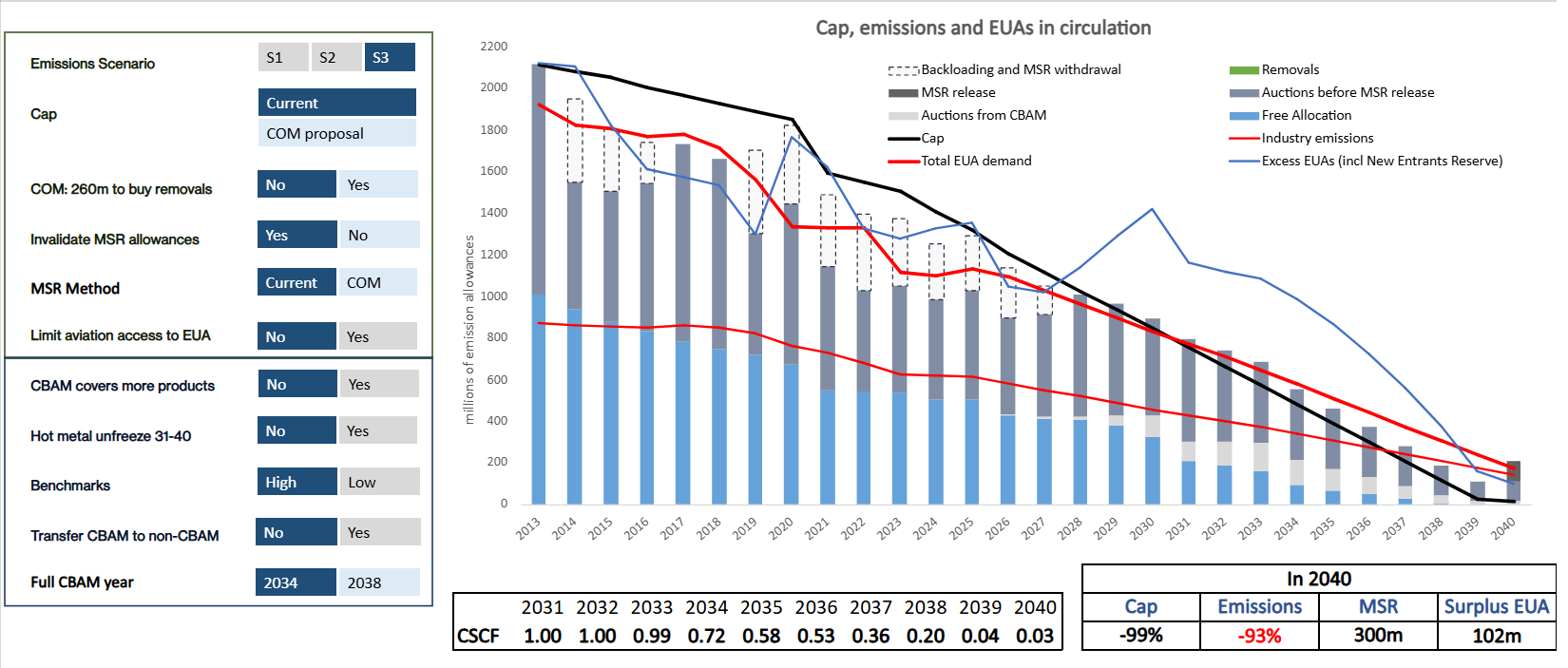
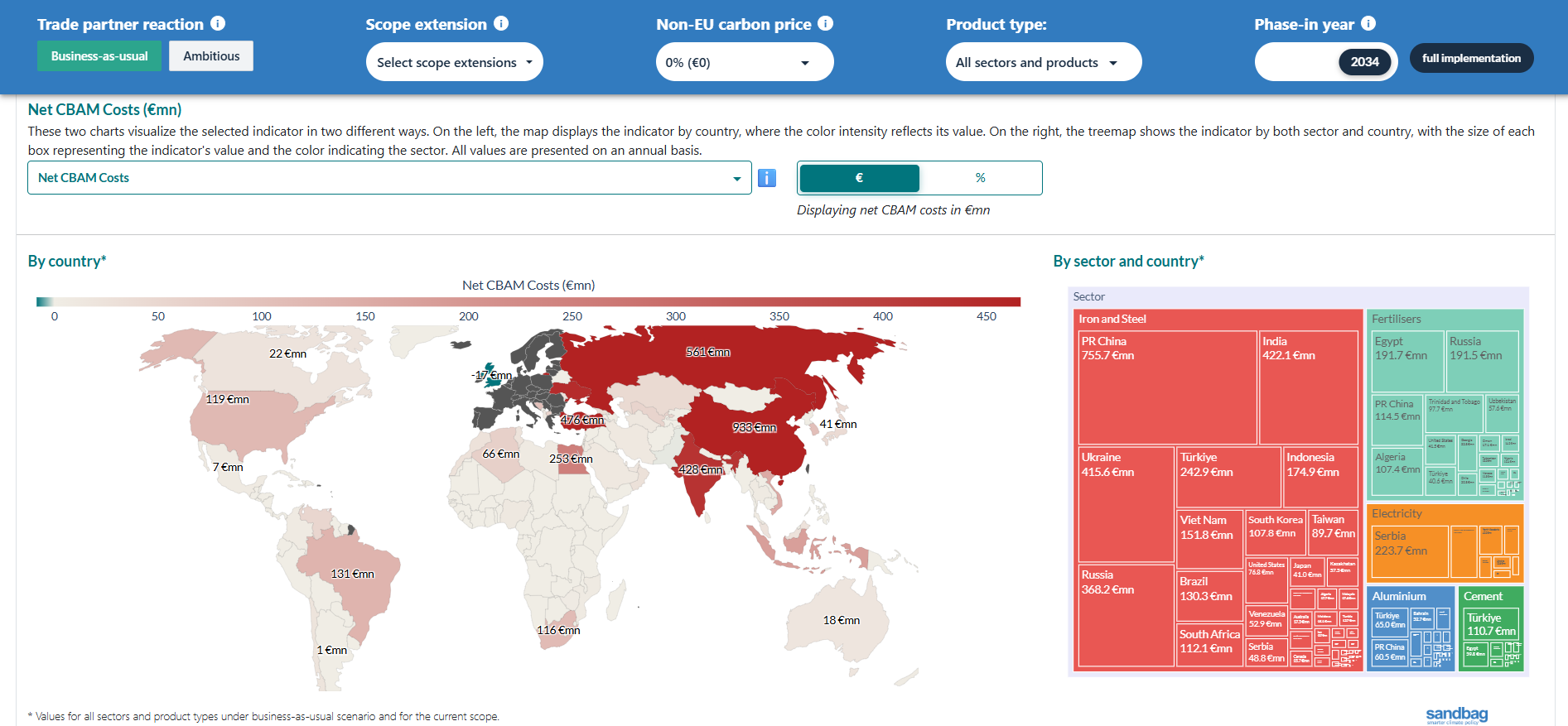
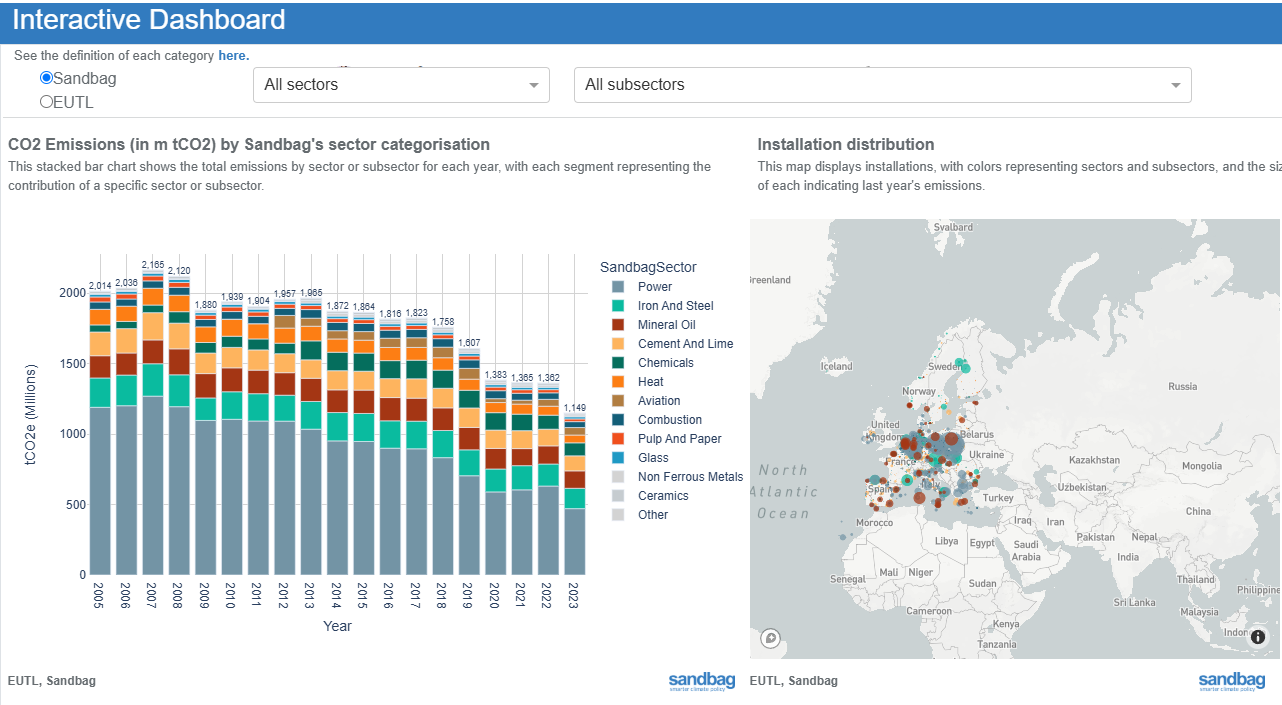
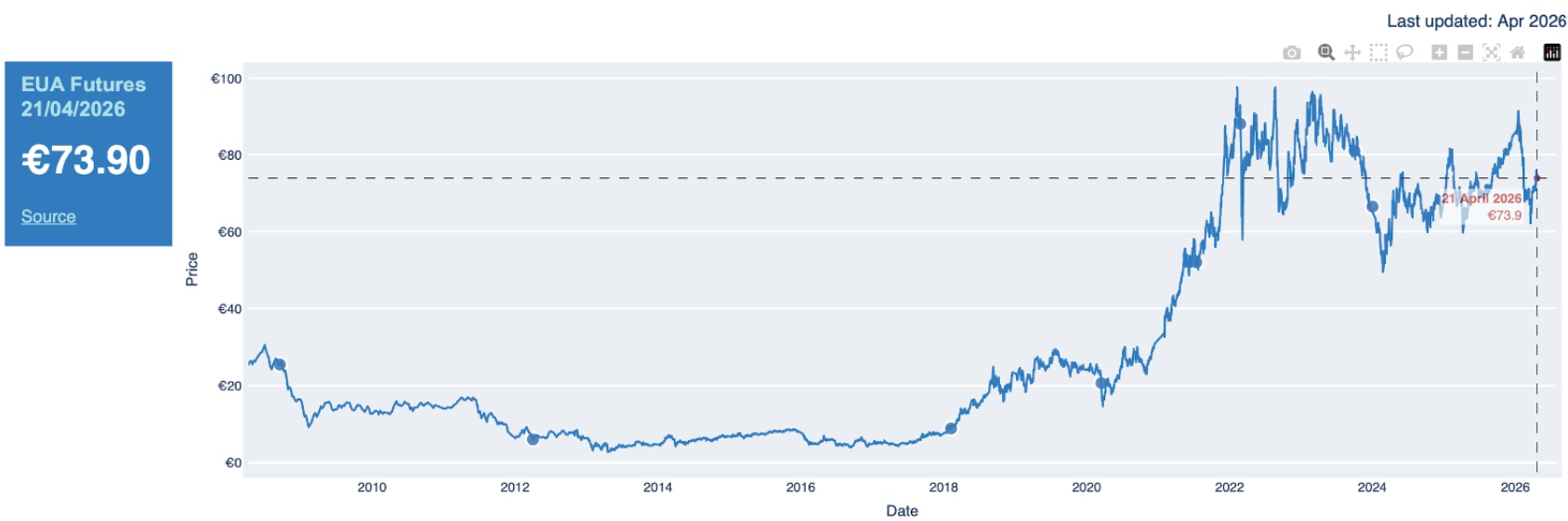
The impacts of policy options are sometimes difficult to estimate, especially when several parameters can be combined. We publish visual tools and simulators to better understand policies and different combinations of policy design options.
Join us in building smarter climate policies!

Mundo Matogné. Rue d’Edimbourg 26, Ixelles 1050 Belgium. Sandbag is a not-for-profit (ASBL) organisation registered in Belgium under the number 0707.935.890. EU transparancy register no. 277895137794-73. VAT: BE0707935890