


Watch the webinar
Report presentation
This presentation outlines the methodology as well as key findings of the report ‘The EU CBAM’s real impact on India”.
CBAM Simulator presentation
This presentation introduces our updated CBAM Simulator.
Join our webinar on 4 August 2026 at 2 pm CET
Background
Globally, the EU’s CBAM has raised concerns about its fairness for international trade. India has raised objections in WTO discussions, pointing to inconsistencies with the principle of Common but Differentiated Responsibilities and Respective Capabilities (CBDR-RC) under the Paris Agreement.
However, Indian political opposition to the EU’s CBAM has been increasingly accompanied by pragmatic engagement. In the context of EU–India free trade negotiations, both sides have agreed to advance technical cooperation on the CBAM’s implementation, including exchanges on reporting requirements and methodological aspects. CBAM duties are not comprised and must be paid for this quota as well. Despite technical collaboration, the mechanism itself remains unchanged.
India’s exposure to the CBAM is substantial with regards to the size of its exports of iron and steel goods to the EU and the high emission intensity of its steelmaking industry. Our new report makes a granular assessment of India’s ability to keep its competitiveness in the EU market under the CBAM, considering the types of goods exported, the capacity available of each production route, their suitability for exports based on geographical location, and their likely ability to meet MRV requirements.
The webinar aims to:
- Briefly present key findings of our report ‘The CBAM’s real impact on India
- Briefly provide an introduction to our updated CBAM simulator
- Facilitate a dialogue among European and Indian stakeholders
Discussion points:
- From theory to practice: how hard is it for Indian steelmakers to adjust to the CBAM and minimise its impact?
- Considering the changes caused by the CBAM to India’s supply chains, can we say that the mechanism is functioning exactly as intended?
- Could India’s possible recourse to resource shuffling undermine the “Brussels effect” by which deeper transformation and policies are expected in the country?
Programme
| 2 pm | Welcome remarks by Adrien Assous |
| 2:05 pm | Opening remarks |
| 2:10 pm | Report presentation |
| 2:25 pm | CBAM simulator presentation by Chloé Barré |
| 2:35 pm |
Panel discussion
with special remarks from Jon Carruthers-Green from MEPS International. |
| 3:15 pm | Q&A |
| 3:25 pm | Closing remarks by Adrien Assous |
Related publications
August 25th 2025
June 3rd 2024
More on the CBAM
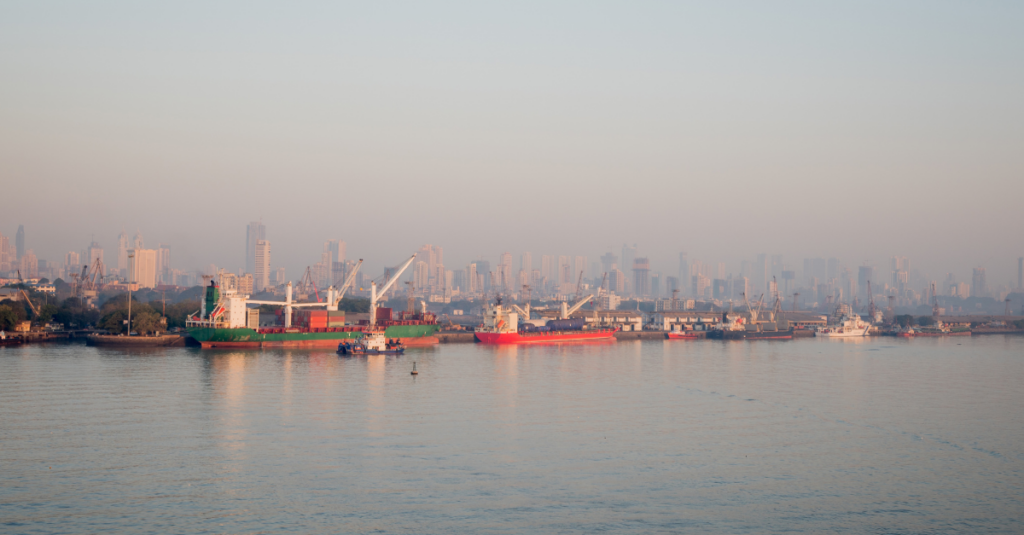
The CBAM’s real impact on India
This report makes a granular assessment of India’s ability to remain competitive in the EU market under the CBAM.
Whether the carbon price is right: response to the European Commission’s public consultation on carbon price paid in third countries
Sandbag’s response to the European Commission’s public consultation on the carbon price paid in third countries under the CBAM.

Carbon pricing trends in Asia
This report by Carbon Market Watch, with analysis by Sandbag, examines potential CBAM costs for Japan, South Korea, Vietnam, Indonesia, and the Philippines, based on their trade exposure, production outlooks, and progress toward implementing a domestic carbon price signal.
An opt-in solution to CBAM circumvention and complexity
Our position paper on the Commission’s legislative proposal amending the CBAM proposes an opt-in solution to CBAM circumvention and complexity.
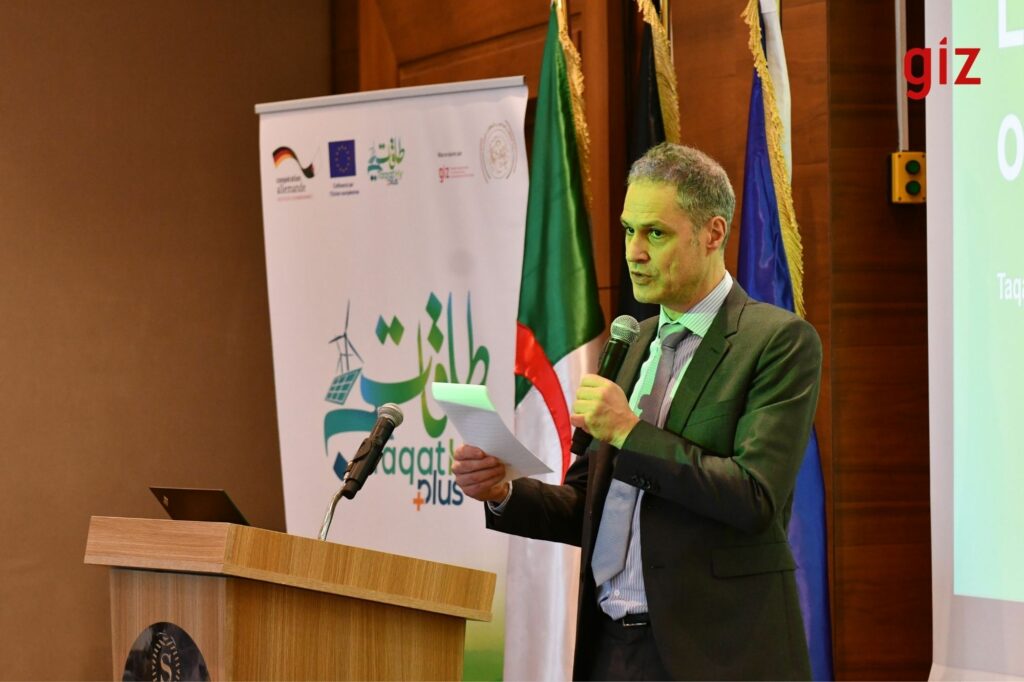
The EU CBAM gives a boost to Algeria’s iron exports
Sandbag’s brief assesses how the EU Carbon Border Adjustment Mechanism (CBAM) may affect Algeria’s iron and steel exports. It finds that although Algeria’s overall exposure to CBAM is limited, rising EU carbon costs are likely to increase EU market prices, with implications for the revenues and competitiveness of Algerian exports.
CBAM and Fertiliser Inflation in 2026: The facts behind the numbers
Estimates suggesting that the EU’s Carbon Border Adjustment Mechanism (CBAM) could increase fertiliser prices by up to 30% have brought a central question into focus: how significant is the inflationary impact likely to be?
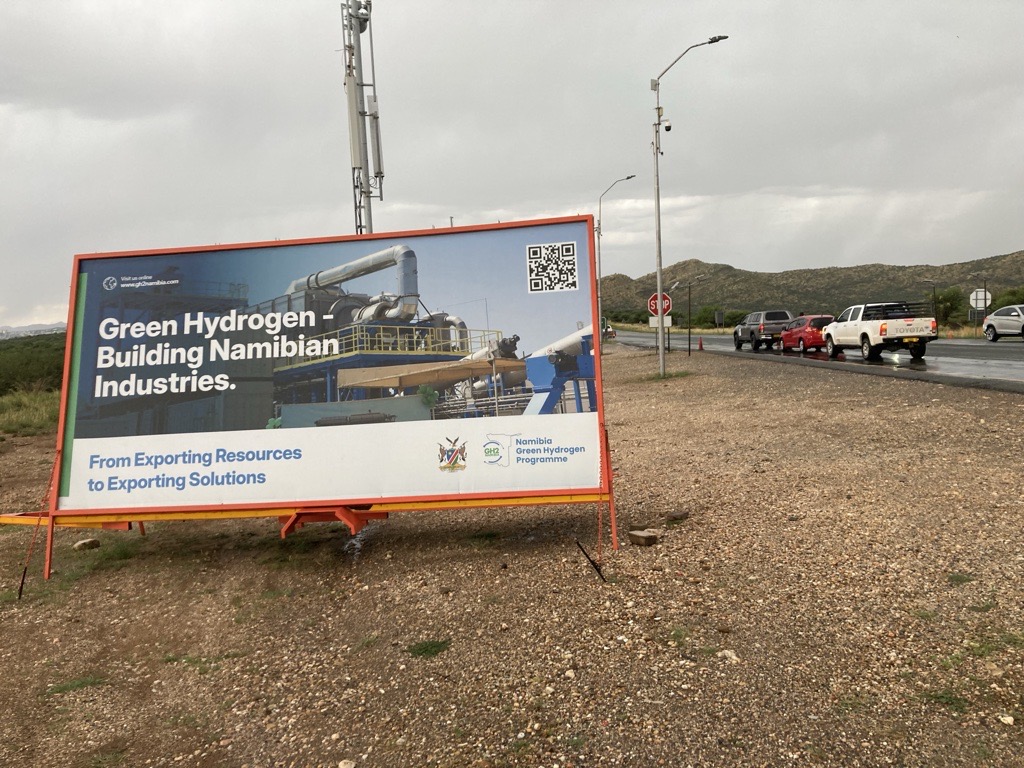
The CBAM dividend for Namibia and Ghana
This research note shows that Namibia and Ghana are likely to benefit from the CBAM, as EU price increases linked to the EU ETS outweigh CBAM fees under current exports. It also sets out transparent transformation scenarios, based on announced industrial projects, to show how expanded and lower-emissions production could further increase export revenues over time.
Chemicals in the CBAM: Time to step up
Sandbag’s latest brief explains why the EU CBAM must be expanded to cover key chemical value chains. With chemicals and refinery products responsible for 30% of industry emissions, phased inclusion is critical to prevent carbon leakage and phase out free allowances.
The EU CBAM: a two-way street between the EU and Africa
The Carbon Border Adjustment Mechanism CBAM is often misunderstood as a trade policy whereas it is actually a climate policy. Its only objective, as stated in Article 1 of the CBAM Regulation, is to replace the current system of free allocation of emission allowances to EU-based manufacturers under the EU carbon market.
Sandbag’s Response to the CBAM Calls for Evidence
Sandbag has submitted responses to the EU’s CBAM calls for evidence, addressing emissions reporting, adjustment for free allocation, and carbon prices paid abroad. We highlight risks such as loopholes and unequal treatment, and propose practical solutions to strengthen CBAM’s effectiveness and fairness.