

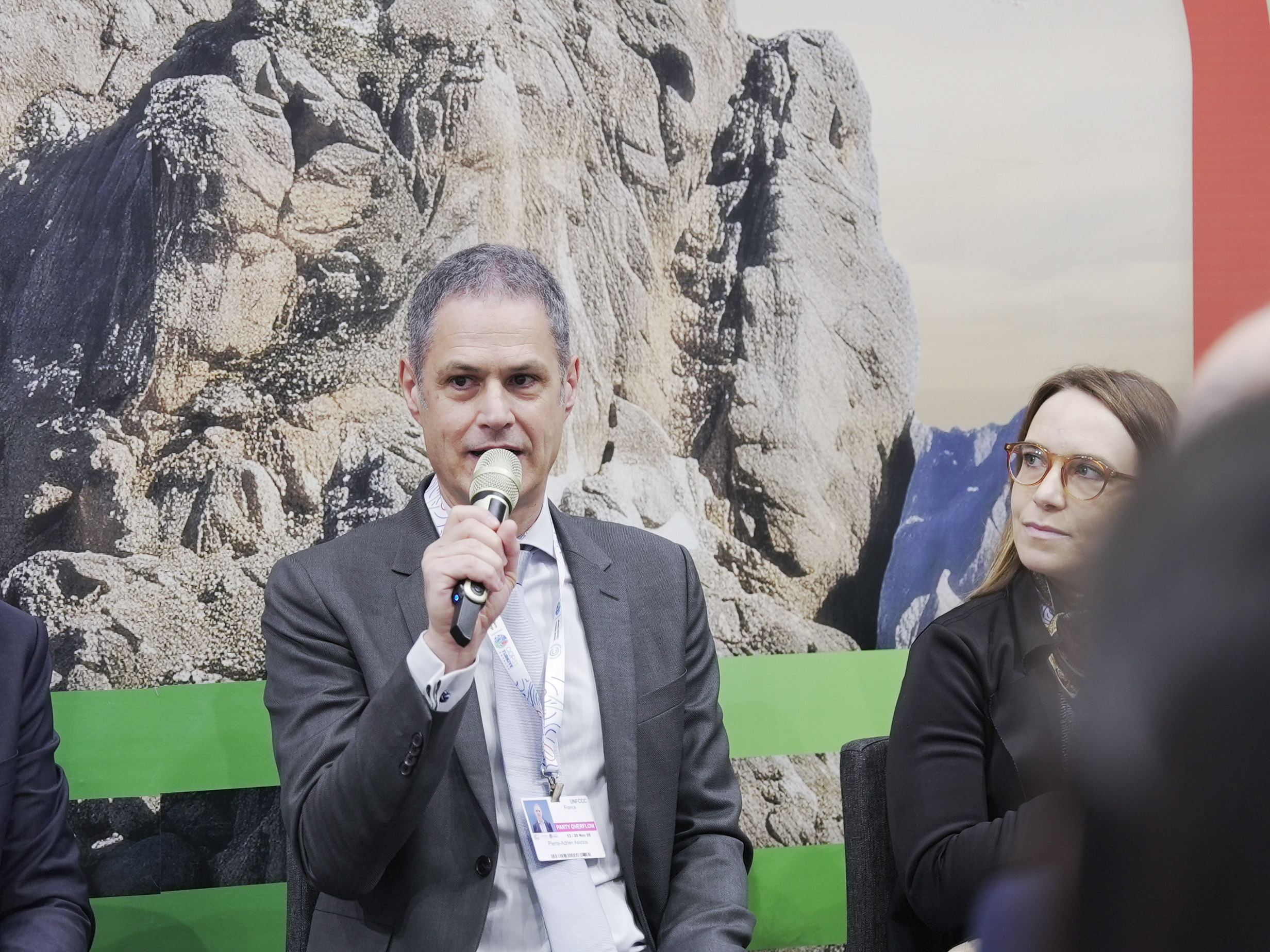
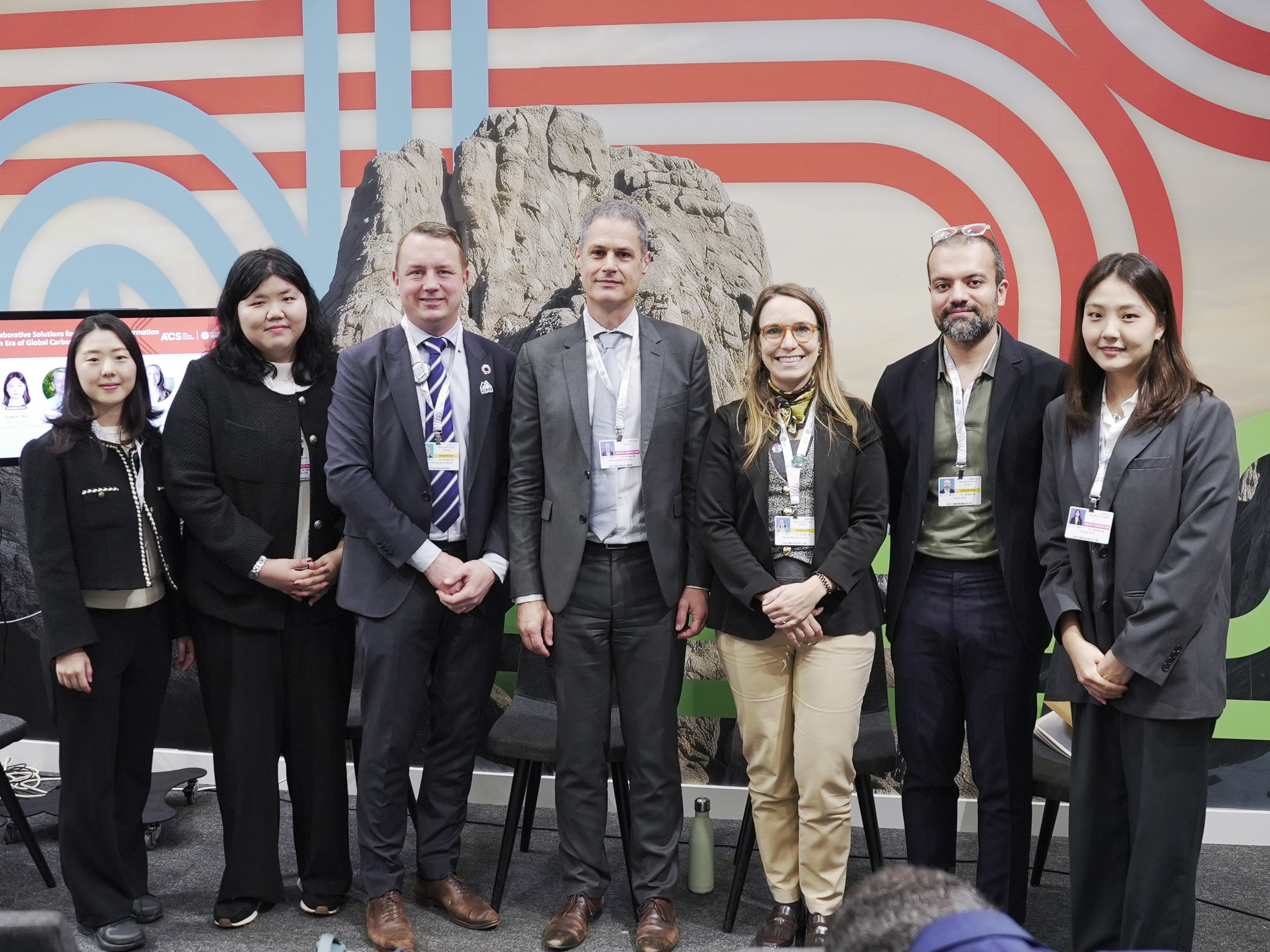
On 19 November, Sandbag’s Adrien Assous participated in the COP31 side-event, ‘Petrochemical Industry in the Era of Carbon Barriers: From Regulatory Barriers to Green Competitiveness’, at the Asia Climate Solutions Pavilion.
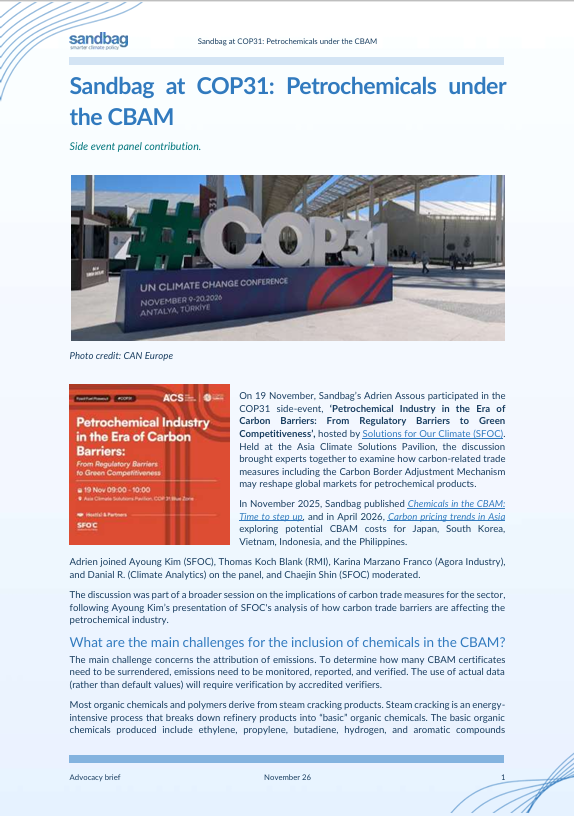
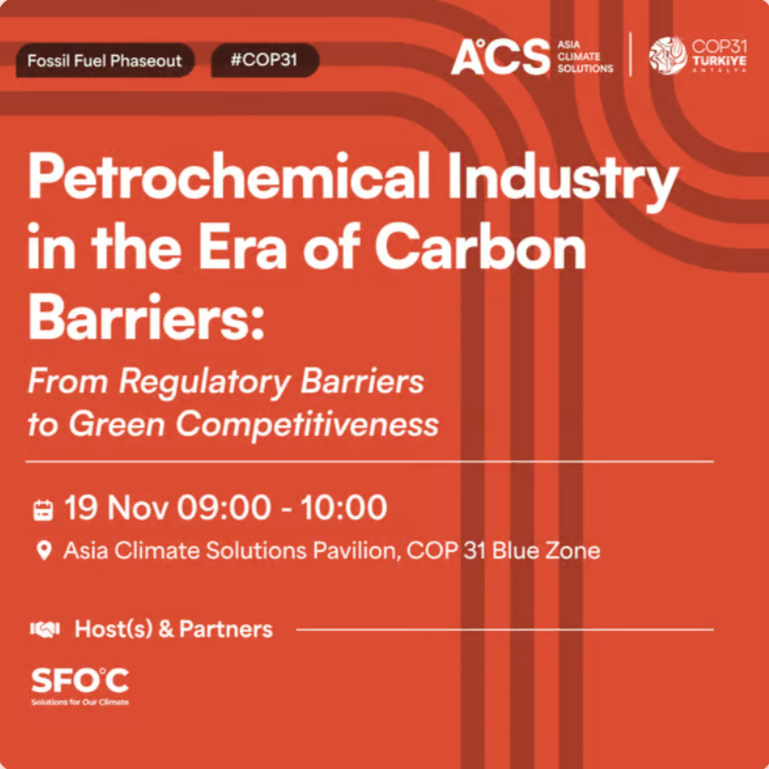
On 19 November, Sandbag’s Adrien Assous participated in the COP31 side-event, ‘Petrochemical Industry in the Era of Carbon Barriers: From Regulatory Barriers to Green Competitiveness’, hosted by Solutions for Our Climate (SFOC). Held at the Asia Climate Solutions Pavilion, the discussion brought experts together to examine how carbon-related trade measures including the Carbon Border Adjustment Mechanism may reshape global markets for petrochemical products.
In November 2025, Sandbag published Chemicals in the CBAM: Time to step up, and in April 2026, Carbon pricing trends in Asia exploring potential CBAM costs for Japan, South Korea, Vietnam, Indonesia, and the Philippines.
Panel Discussion: Petrochemical Industry in the Era of Carbon Barriers: From Regulatory Barriers to Green Competitiveness
Moderator: Chaejin Shin, Monitoring, Evaluation, and Learning Analyst, Solutions for Our Climate
Panelists:
Adrien Assous, Executive Director, Sandbag
Karina Marzano Franco, Project Lead for Trade and International Partnerships, Agora Industry
Thomas Koch Blank, Managing Director of the Climate Aligned Industry program, RMI
Danial R., Senior Energy and Climate Policy Analyst, Climate Analytics
 What are the main challenges for the inclusion of chemicals in the CBAM?
The main challenge concerns the attribution of emissions. To determine how many CBAM certificates need to be surrendered, emissions need to be monitored, reported, and verified. The use of actual data (rather than default values) will require verification by accredited verifiers.
Most organic chemicals and polymers derive from steam cracking products. Steam cracking is an energy-intensive process that breaks down refinery products into “basic” organic chemicals. The basic organic chemicals produced include ethylene, propylene, butadiene, hydrogen, and aromatic compounds benzene, toluene and xylene (together referred to as BTX). These products are produced at the same time in a cracker, making it challenging to precisely allocate emissions for each of the products.
Reporting could rely on default values instead. Currently, default values are optional and usually set quite high, to prevent declarants from choosing the option most favourable to them. An agreement could be reached between the EU and third countries to adopt mandatory but less punitive default values.
Alternatively, chemicals could join the CBAM but with a very limited scope, downstream of steam crackers. Products like styrene, acetone, VCM and ethyleneglycol would then fall under the CBAM, but with an emissions scope (very) limited to the processes downstream of the steam cracker.
How have EU climate policies influenced the sector’s approach to decarbonisation?
The sector’s most visible response has regarded lobbying. Just as there are many delegates from the petrochemical industry at this COP, the same companies exert their influence over EU policy. With some success, unfortunately.
The chemicals sector is not currently covered by the CBAM so the phase out of free allocation under the EU ETS will not affect this sector. In addition, the revision of ETS benchmarks initially proposed by the European Commission for heat and fuels, which rule a large part of allowances to chemicals, was overturned so that the plants covered will receive 130 million more free allowances over 2026-30 than initially proposed.
The lack of industrial response to climate policy has already had negative impacts in the competitiveness of EU low-carbon industry: in January 2026, Vioneo, a company that develops technology that could transform plastic waste into molecular feedstock for new plastics production, opted to build a new factory in China rather than in Belgium. The facility will have an annual capacity of 300,000 tonnes of polyethylene and polypropylene from green methanol derived from biogenic carbon dioxide.
 How can carbon pricing contribute to meaningful emissions reductions rather than simply increasing compliance costs?
An important but often overlooked aspect of the CBAM is that it creates a stream of revenues.
As it ramps up in parallel with the gradual phase-out of free allocation under the EU ETS, the carbon cost borne by EU producers rises as well. EU market prices will therefore adjust upwards as both imported and domestic supply become more expensive.
Higher EU selling prices allow exporters to recover at least part of their CBAM costs through higher revenues. If the additional revenues from higher prices exceed the CBAM fees paid, exporters may enjoy a net benefit.
With a robust carbon price combined with a CBAM, cleaner production therefore benefits a source of revenues that contributes to repaying investment costs.
We thank the SFOC organisers and fellow panellists for a valuable discussion.
Related publications
March 2nd 2026
November 25th 2025
More on the CBAM
Sandbag at COP31’s China pavilion
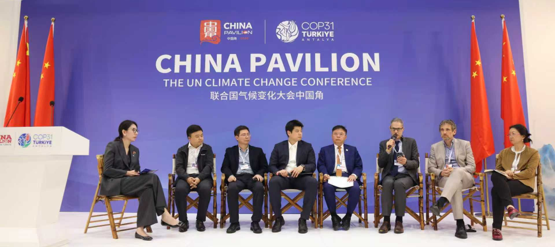
On 13 November, Sandbag joined a panel of Chinese automotive industry leaders to share our findings on necessary CBAM reform and opportunities for policy cooperation in the automotive sector.
A guide to the EU CBAM – perspectives for Chinese stakeholders
This report reveals the implications of the EU’s CBAM for Chinese firms and outlines ways that Chinese firms can address relevant challenges.
Sandbag at Wopke Hoekstra’s CBAM Implementation Dialogue
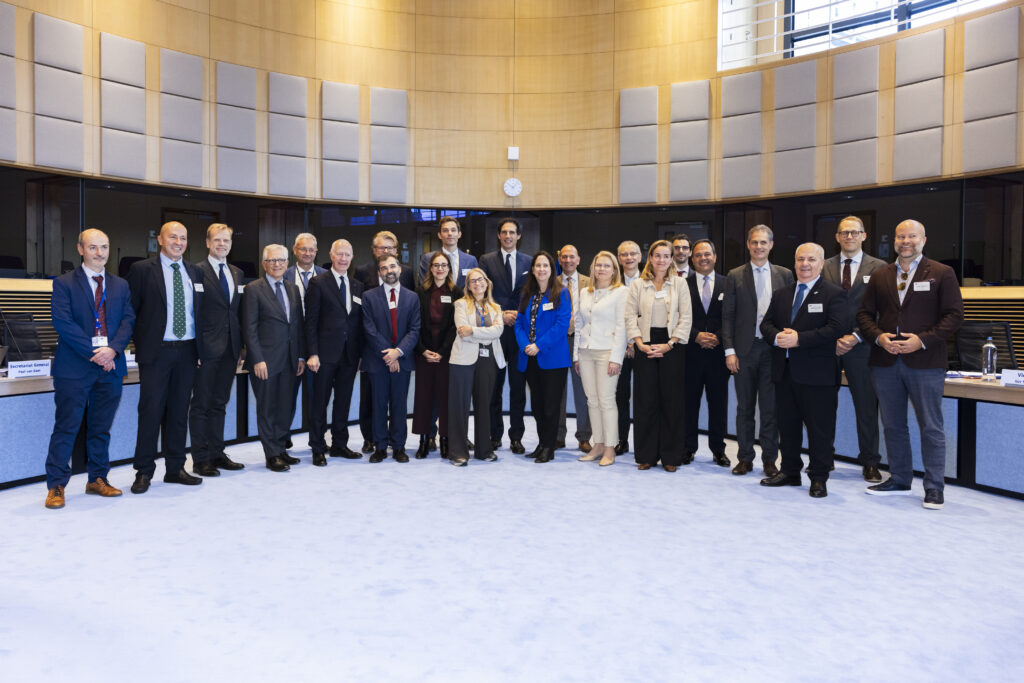
On 15 October 2026, Sandbag’s Adrien Assous had the honour of participating in a CBAM Implementation Dialogue organised by Commissioner Wopke Hoekstra.
The CBAM’s real impact on India
This report makes a granular assessment of India’s ability to remain competitive in the EU market under the CBAM.
Webinar: The CBAM’s real impact on India
Our webinar aims to present and discuss our upcoming report on the CBAM’s impact on India and introduce our updated CBAM simulator.
Whether the carbon price is right: response to the European Commission’s public consultation on carbon price paid in third countries
Sandbag’s response to the European Commission’s public consultation on the carbon price paid in third countries under the CBAM.
Carbon pricing trends in Asia
This report by Carbon Market Watch, with analysis by Sandbag, examines potential CBAM costs for Japan, South Korea, Vietnam, Indonesia, and the Philippines, based on their trade exposure, production outlooks, and progress toward implementing a domestic carbon price signal.
An opt-in solution to CBAM circumvention and complexity
Our position paper on the Commission’s legislative proposal amending the CBAM proposes an opt-in solution to CBAM circumvention and complexity.
The EU CBAM gives a boost to Algeria’s iron exports
Sandbag’s brief assesses how the EU Carbon Border Adjustment Mechanism (CBAM) may affect Algeria’s iron and steel exports. It finds that although Algeria’s overall exposure to CBAM is limited, rising EU carbon costs are likely to increase EU market prices, with implications for the revenues and competitiveness of Algerian exports.
CBAM and Fertiliser Inflation in 2026: The facts behind the numbers
Estimates suggesting that the EU’s Carbon Border Adjustment Mechanism (CBAM) could increase fertiliser prices by up to 30% have brought a central question into focus: how significant is the inflationary impact likely to be?