
Publications
Explore our evidence-based research and policy recommendations!
Simulating CDR in the EU ETS: The Risks of Premature Integration
Sandbag has developed an ‘ETS + CDR simulator’ to help visualise and explore the impact that CDR integration could have on the ETS, assess the demand it could create for CDR, and highlight the potential consequences of this demand. This report uses the simulator to explore how different integration pathways could affect emissions reductions, carbon prices, and potentially lead to negative externalities.
The EU ETS at a Crossroads
Sandbag’s latest submission to the EU ETS and Innovation Fund consultation calls for clearer rules on free allocation, stronger criteria for funding innovation, and safeguards against misleading carbon accounting practices.
Getting Electrification Right: The broader challenge of induced emissions
This report examines how the climate impact of electricity use is shaped not just by its source, but also by its timing and location. It evaluates the EU’s RED III framework and associated hydrogen targets, using the RFNBO standard as a case study. The analysis shows that ill-timed use of renewable electricity (particularly for hydrogen production) can inadvertently drive fossil generation. It argues for more strategic use of electricity to avoid these unintended consequences and support genuine decarbonisation.
Open letter against international credits integration into the EU 2040 climate target and NDC
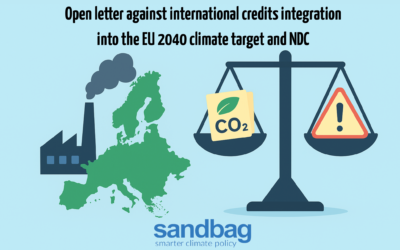
A joint NGO letter calls on the EU to exclude international carbon credits from the 2040 target. The signatories urge a domestic-only approach to protect climate credibility and ambition.
Steel emissions standards under threat from flawed “mass balance” proposal
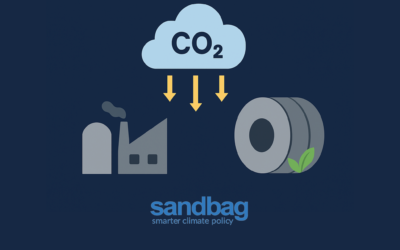
A joint letter from 30+ NGOs warns that coal-based steel could be falsely labelled as green under proposed “mass balance” rules. The signatories call for traceable, credible emissions data in steel standards.
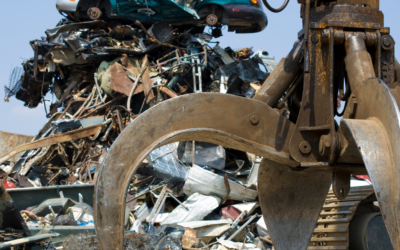
Joint statement urges EU to boost the use of recycled steel scrap in the automotive sector
A new joint statement urges the EU to set binding targets for recycled steel use in cars, citing the climate benefits of secondary steel and the need to reduce demand for high-emission imports.
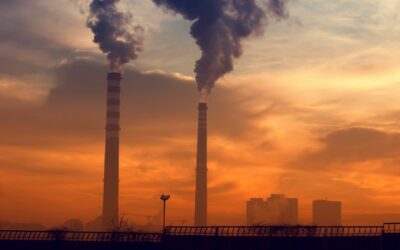
CBAM extension: Closing the emissions gap
Free allocation has long been used to address carbon leakage under the EU ETS, but it has key limitations. It only covers emissions up to benchmark levels, fails to reward cleaner EU producers, and forfeits auction revenues that could support decarbonisation. It also creates perverse incentives by making high-emission goods artificially cheap.
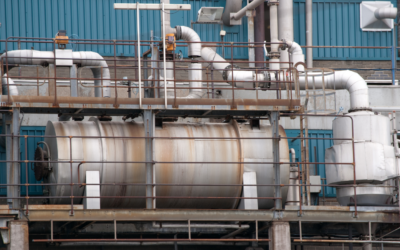
Auction for industrial heat electrification: A positive step, but mind the induced emissions!
Industrial heat electrification is a key strategy for decarbonising energy-intensive industries by replacing fossil-based heat. We welcome the European Commission’s initiative to launch an auction to electrify industrial heat, while emphasising the need for careful design to prevent unintended increases in emissions due to electricity grid dynamics.
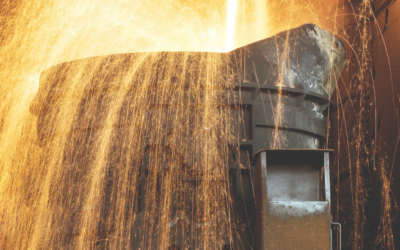
Aluminium production and CCS/U: A reality check
Aluminium production remains challenging to decarbonise. This brief examines the limited potential of Carbon Capture and Utilisation (CCS/U) in the sector and explores alternative approaches that may offer more effective emissions reductions.

Towards a minimum recycled steel content in passenger cars: setting an initial target
The EU has around 286 million motor vehicles, and every year, 6.5 million of these are scrapped. If the steel scrap from these end-of-life vehicles (ELVs) is not managed well, valuable resources are lost, harming the environment.

WHAT WE DO
TOOLS
PUBLICATIONS
NEWSLETTER
Mundo-b Matogné. Rue d’Edimbourg 26, Ixelles 1050 Belgium.
Sandbag is a not-for-profit (ASBL) organisation registered in Belgium under the number 0707.935.890.
EU transparency register no. 277895137794-73.
VAT: BE0707935890.