

About Us
What is Sandbag?
We are a think tank that promotes more effective climate policies from an environmental and economical point of view. We believe that, for some sectors, carbon pricing can be very effective if designed correctly.
Our name Sandbag symbolises the coordinated action people take to protect themselves and others in the face of extreme weather events. Likewise, we work to unite stakeholders to protect the environment, society, and economy from the risks of ineffective climate action.
We are a Belgian not-for-profit organisation (Association Sans But Lucratif – ASBL). Any financial surplus is reinvested into Sandbag. Our registration number is 0707.935.890.
Our Story
- 2008: Sandbag was founded in London, to reveal flaws in the EU Emissions Trading System (ETS) and develop solutions for its surplus of carbon allowances.
- 2013: Opening of an office in Brussels, to reinforce our influence on EU policy.
- 2018: Sandbag officially became a non-profit organisation under Belgian law (ASBL).
- 2019: After Brexit, the UK-based entity was renamed Ember with a focus on energy, while Sandbag (based in Brussels) covered EU climate policies such as the EU ETS, the CBAM, and other mechanisms covering industry sectors.
Since 2019, we have strengthened our focus on EU policies, and have covered their interactions with the rest of the world. Today, our data tools and technical insights are trusted by policymakers and media – across Europe and beyond.
Our Vision
Fighting climate change is too big a task to leave to any one group alone. Lasting solutions require shared efforts, from industries that produce emissions and the policymakers that regulate them, to consumers and citizens who drive demand. Progress happens when all sides move together.
Climate policies should make polluting goods more expensive, and low-carbon alternatives more competitive – creating the right incentives across the economy for both producers and consumers. While investment in new technologies is essential and can accelerate decarbonisation, it works best when driven by robust incentives: unlike subsidies alone, a cap on emissions guarantees that targets are met regardless of how quickly new technologies scale.
Climate policies should discourage – not protect – unsustainable economic activities. The free allocation of emission permits in the EU Emissions Trading System sets wrong incentives and should be abolished. To avoid unfair competition from parts of the world without carbon pricing, the EU Carbon Border Adjustment Mechanism ensures the phasing out of free emission permits.
Our Expertise
Our specialists have over 20 years of experience working on carbon markets, industry, finance and climate policy. With a strong understanding of the market and its price effects, we bring a unique perspective to climate policies and consistently think ahead of the curve. For example, we warned against the so-called “CBAM scrap loophole” as early as February 2023, before the issue was picked up by the Draghi report (September 2024) and addressed in December 2025 by a Commission proposal to include pre-consumer scrap into the scope of the CBAM.
Through quantitative and qualitative research, interactive policy simulation tools, and targeted advocacy, we promote policies that drive impactful, cost-effective emissions reductions in the EU and beyond.
Our Advocacy
How we help shape policy: We contribute to European Commission Expert Groups and feed into the legislative process by responding to targeted stakeholder surveys, public consultations and calls for evidence. We meet and exchange with policymakers at the EU Commission, EU Parliament, and Member States level. We initiate and contribute to joint actions with civil society and private stakeholders, including joint meetings with and letters to politicians. We speak out at public events, build coalitions with progressive private sector stakeholders, and raise awareness through media and social media.

Webinar: Options for the EU ETS
We presented Sandbag’s analysis of different design options for the EU ETS, and discussed proposals to mitigate potential negative impacts.

EU ETS amendments: what matters
Our position paper analyses the proposals by the Commission and EU ETS rapporteur MEP Peter Liese and presents Sandbag’s proposals.
Webinar: The CBAM’s real impact on India
Our webinar aims to present and discuss our upcoming report on the CBAM’s impact on India and introduce our updated CBAM simulator.
Whether the carbon price is right: response to the European Commission’s public consultation on carbon price paid in third countries
Sandbag’s response to the European Commission’s public consultation on the carbon price paid in third countries under the CBAM.
Improving EU ETS benchmarks: Response to the European Commission’s public consultation on EU ETS benchmarks
Sandbag’s response to the public consultation on the European Commission’s proposed revision of the benchmark values of free allocation of emission allowances (2026-2030).
An opt-in solution to CBAM circumvention and complexity
Our position paper on the Commission’s legislative proposal amending the CBAM proposes an opt-in solution to CBAM circumvention and complexity.
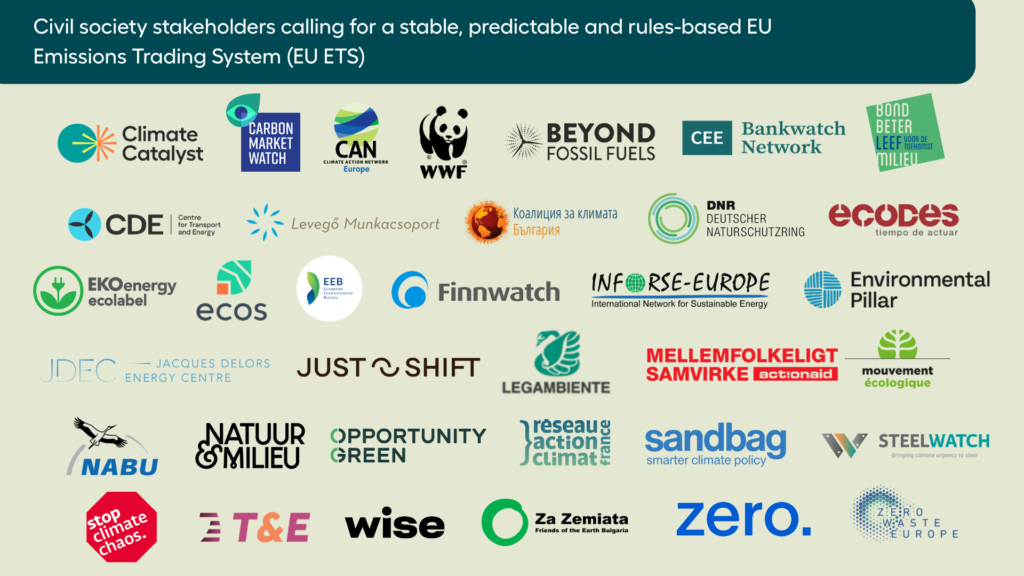
Don’t Ruin the EU ETS! Joint NGO Letter to the European Council
Ahead of the March European Council meeting, we’ve joined a group of 35 civil society organisations calling on EU leaders to protect the integrity of the EU Emissions Trading System.
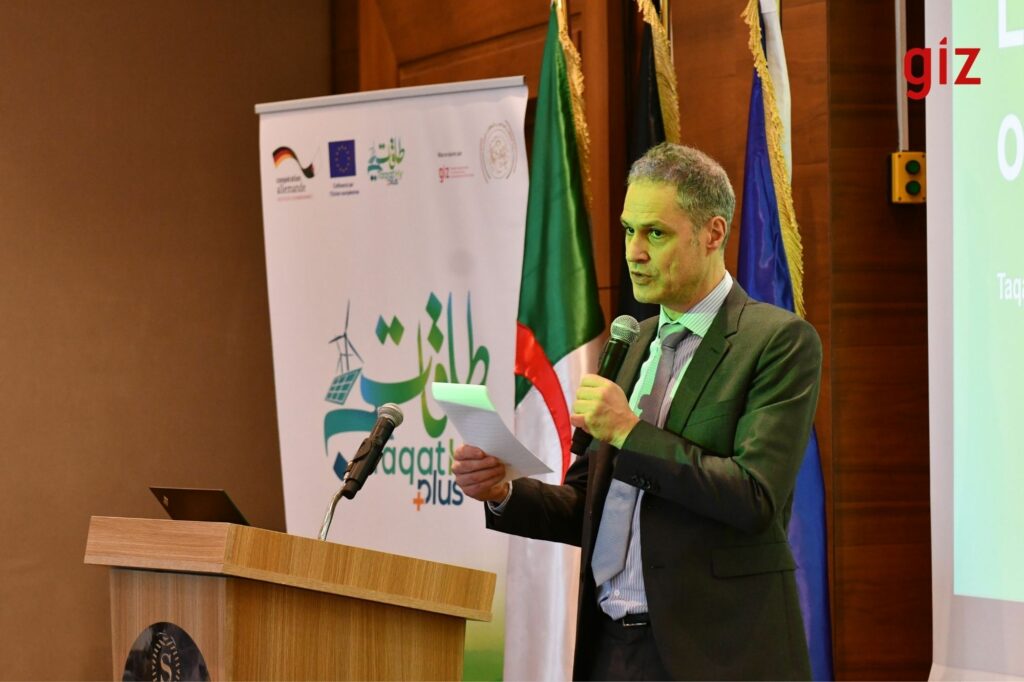
The EU CBAM gives a boost to Algeria’s iron exports
Sandbag’s brief assesses how the EU Carbon Border Adjustment Mechanism (CBAM) may affect Algeria’s iron and steel exports. It finds that although Algeria’s overall exposure to CBAM is limited, rising EU carbon costs are likely to increase EU market prices, with implications for the revenues and competitiveness of Algerian exports.
ICC reform and expansion risks diverting ETS revenues from real climate action
Sandbag and 14 other organisations urge the European Commission to reform, not expand, the ETS Indirect Cost Compensation scheme — warning that current proposals risk diverting climate funding into untargeted fossil subsidies.
Sandbag’s feedback to the call for evidence on the Circular Economy Act
Sandbag welcomes the Circular Economy Act (CEA) as an important step to accelerate the transition to a circular economy in the EU. Progress in this area has been slow and this act is sorely needed to address systemic issues holding back circularity, including the current fragmented approaches across Member States.
Our Research
We conduct quantitative and qualitative analyses on decarbonisation technologies and policies.
Based on our research, monitoring of EU legislation, policy and data analysis, as well as simulations thereof, we create technical briefs, research notes, in-depth reports, and derive evidence-based policy recommendations to improve the EU’s climate policies.
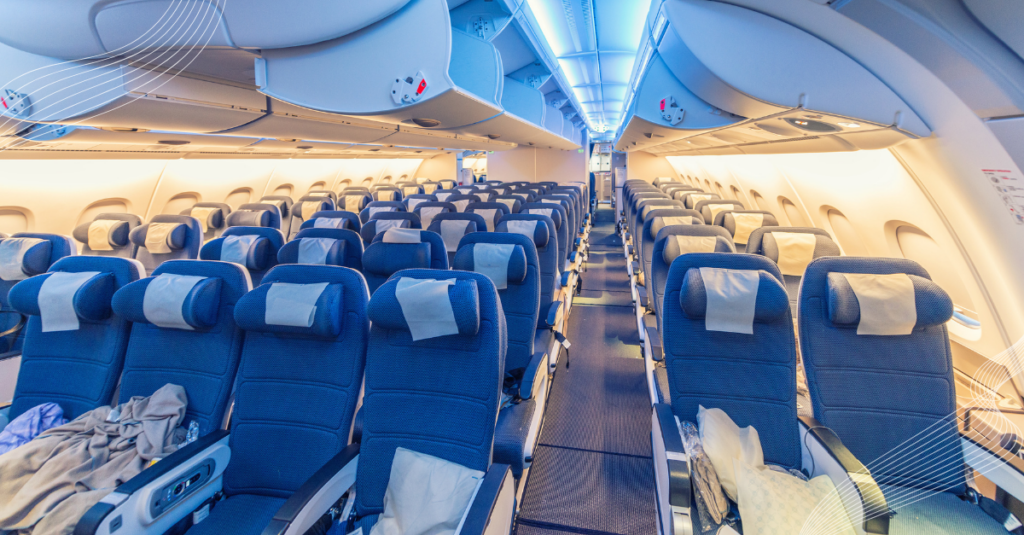
Putting a seat belt on allowance use: how aviation could do its part
This brief proposes that access by airlines to emission allowances from other sectors should gradually be reduced.
EU ETS review: impacts on the market balance
In this brief, we analyse how the proposed changes will impact the supply and demand balance of the emission allowance market.
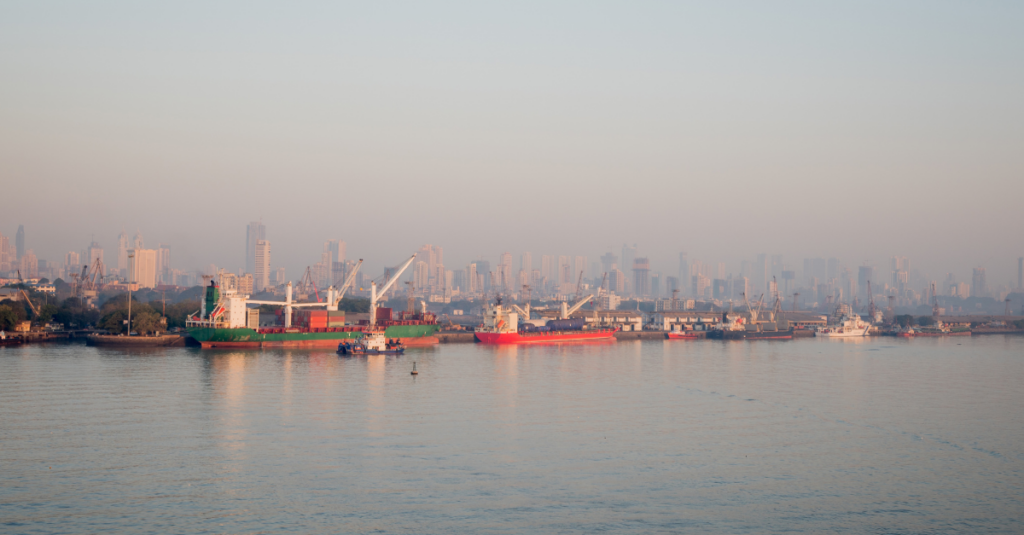
The CBAM’s real impact on India
This report makes a granular assessment of India’s ability to remain competitive in the EU market under the CBAM.
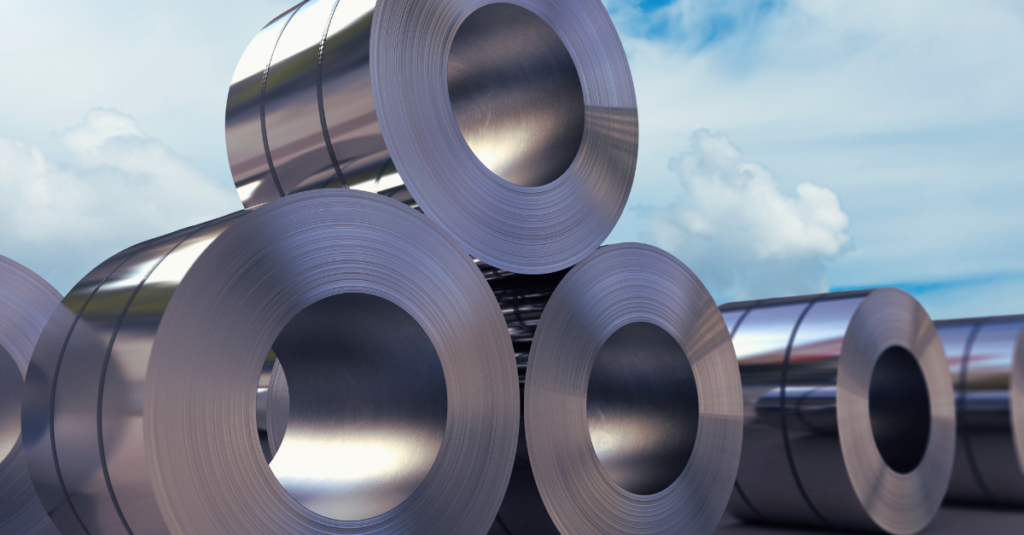
Sandbag responds to Thyssenkrupp
Our technical brief on how the ETS is a net benefit for European steelmakers was covered by ESG.Table, alongside a response from Thyssenkrupp Steel, which raised three objections. This response analyses the German steelmaker’s claims.
EU steelmaking: the ETS money is coming!
This brief challenges recent industry claims that EU steelmakers are being harmed by the EU’s Emissions Trading System and finds that the opposite is true.
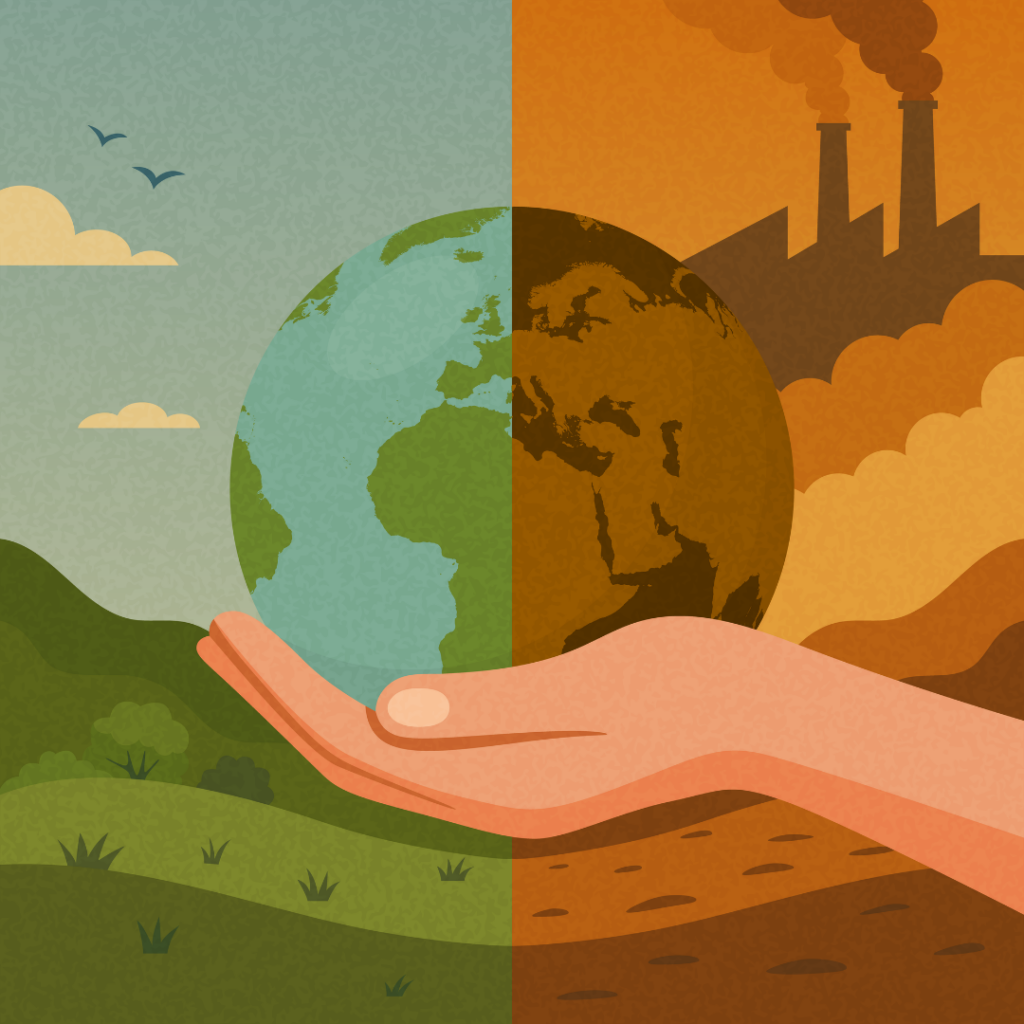
EU ETS Reform: Let’s not invalidate climate policy!
Based on our updated EU ETS simulator, this technical brief models the impact of the several proposals on the carbon market’s supply/demand balance under the European Commission’s impact assessment emission scenarios.
Rhetoric vs reality: setting the record straight on the impact of the EU ETS on industrial competitiveness
This brief examines whether the claims by Czechia and Italy that the EU ETS is responsible for declining industrial competitiveness hold up to scrutiny.

Carbon pricing trends in Asia
This report by Carbon Market Watch, with analysis by Sandbag, examines potential CBAM costs for Japan, South Korea, Vietnam, Indonesia, and the Philippines, based on their trade exposure, production outlooks, and progress toward implementing a domestic carbon price signal.
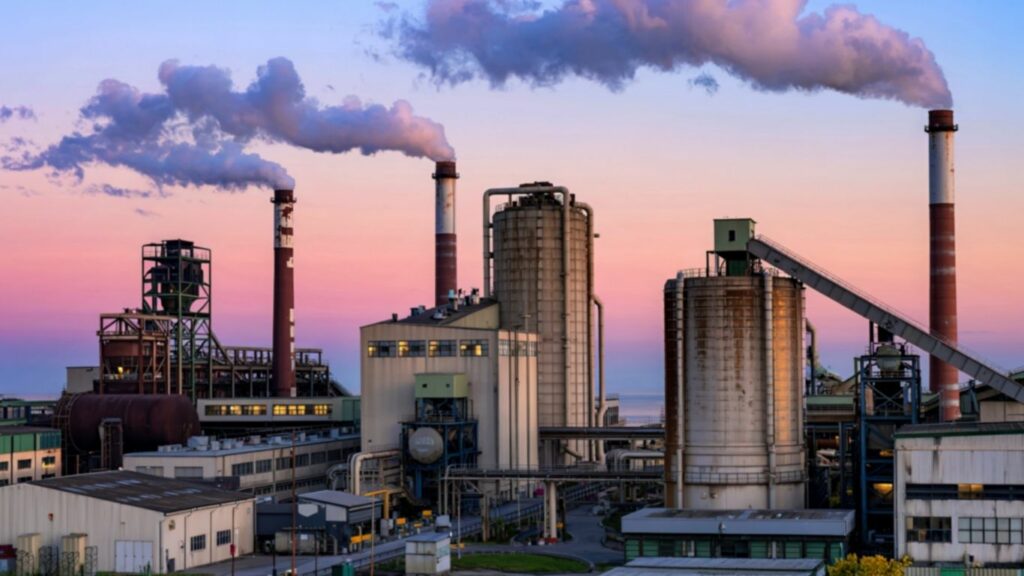
Chemicals and CCS/U: Exploring the role of carbon capture in the sector’s transition to ‘circularity’
This technical brief explores the potential role of carbon capture, storage and utilisation (CCS/U) for Europe’s chemicals sector.
We find that CCS/U will be necessary in Europe’s chemicals sector, but only to a limited extent in targeted applications.
The EU CBAM gives a boost to Algeria’s iron exports
Sandbag’s brief assesses how the EU Carbon Border Adjustment Mechanism (CBAM) may affect Algeria’s iron and steel exports. It finds that although Algeria’s overall exposure to CBAM is limited, rising EU carbon costs are likely to increase EU market prices, with implications for the revenues and competitiveness of Algerian exports.
Our Tools
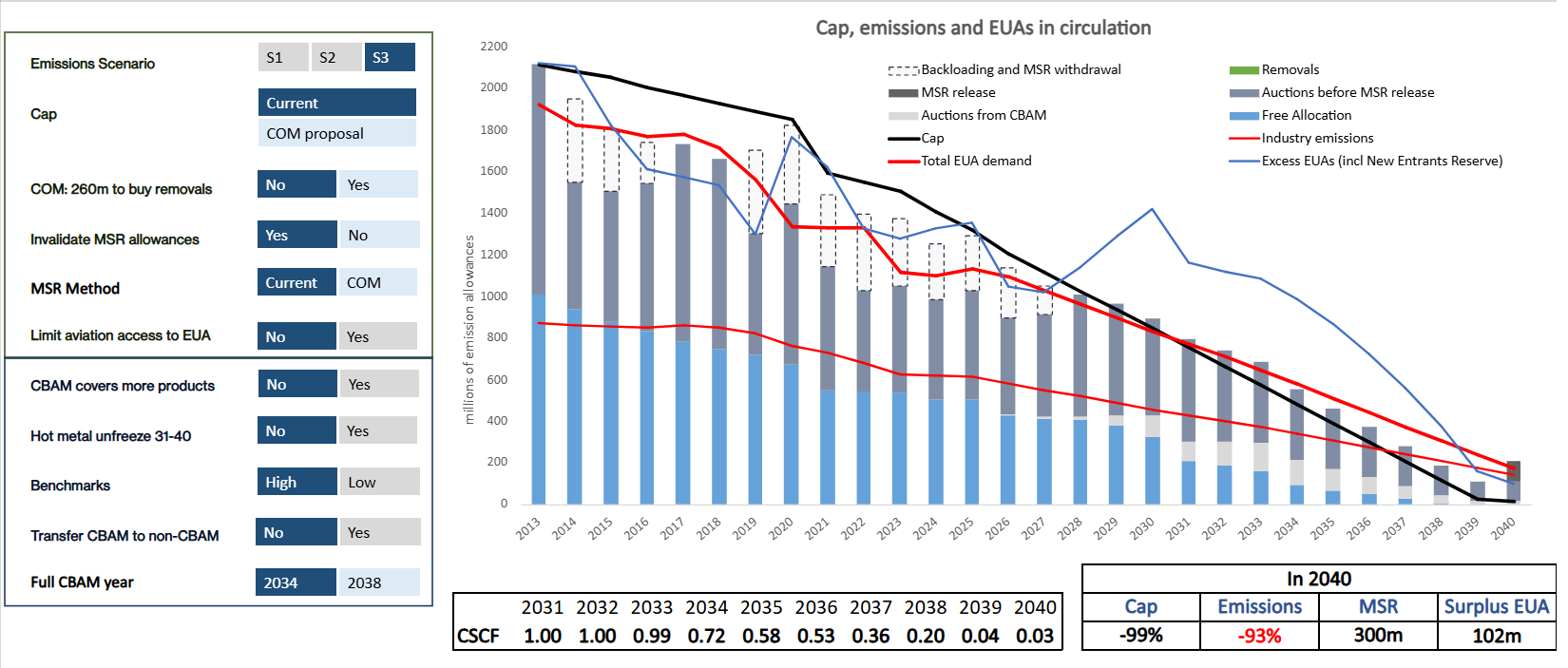
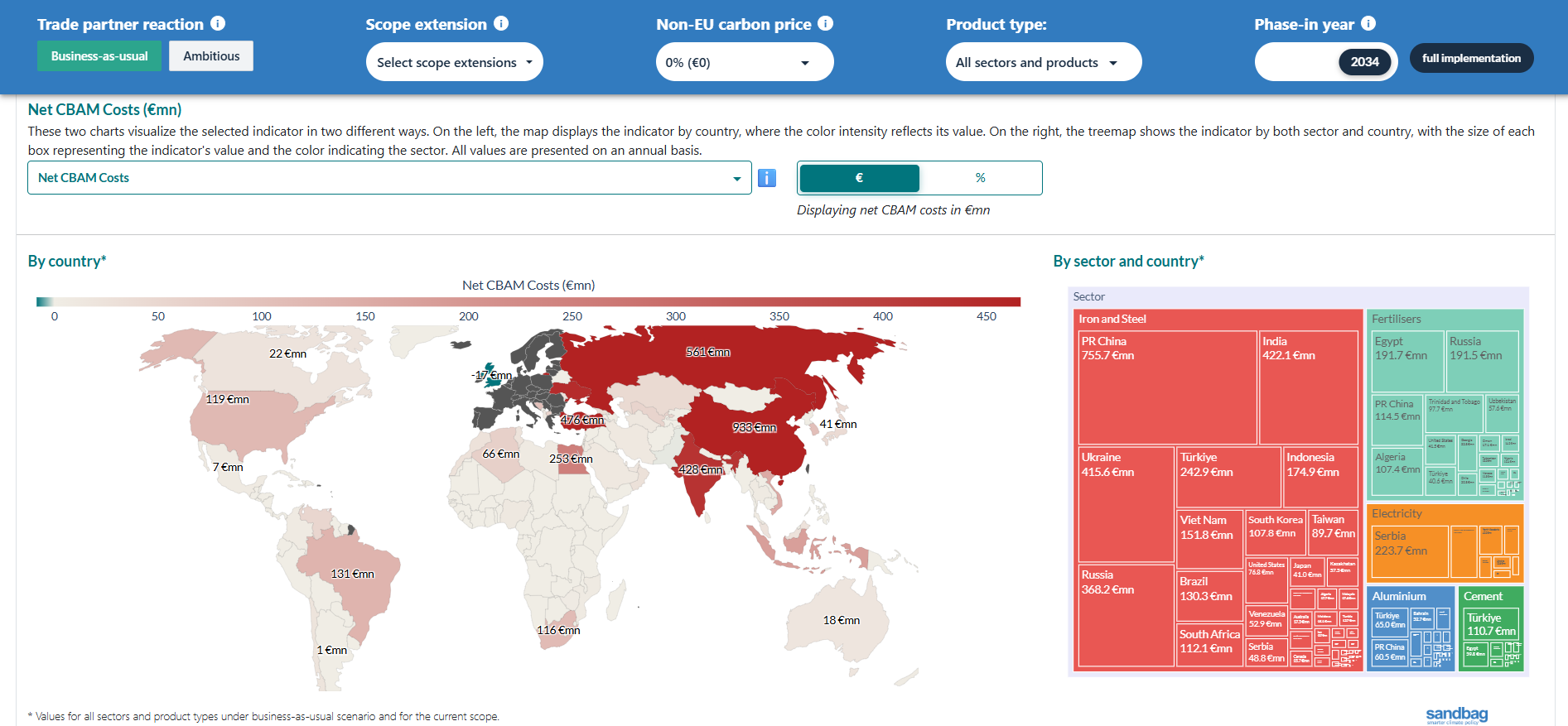
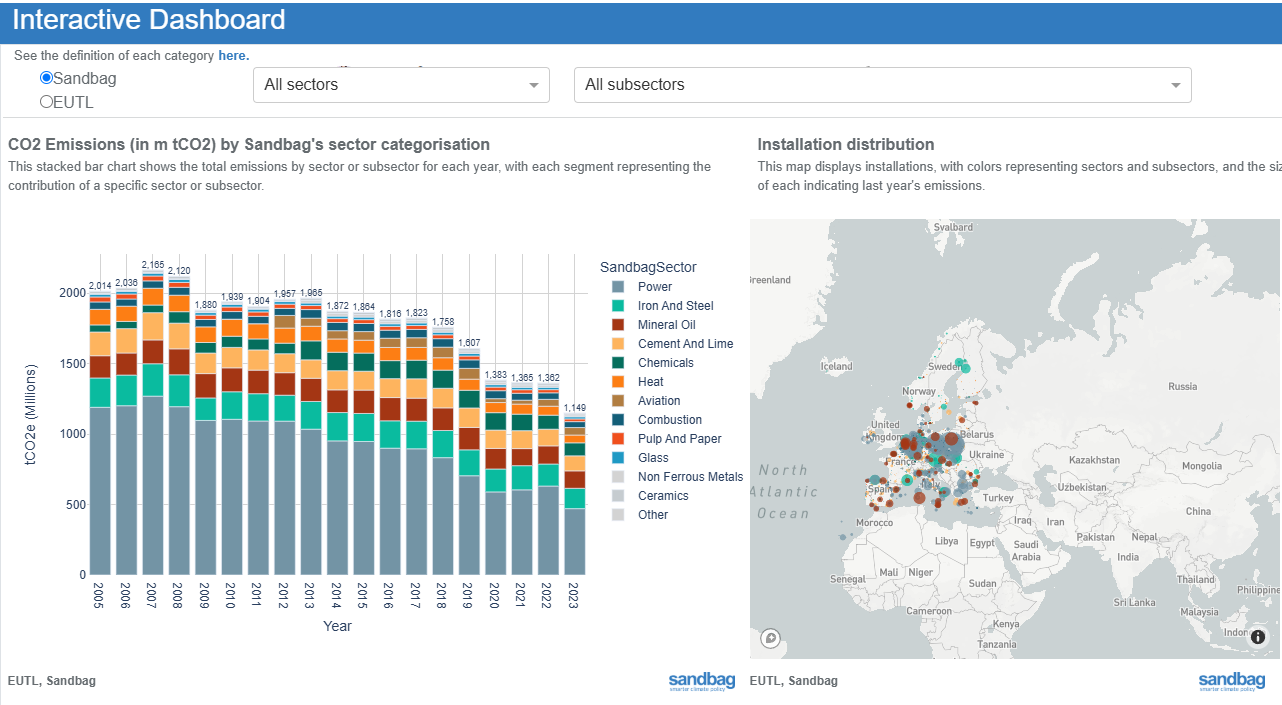
The impacts of policy options are sometimes difficult to estimate, especially when several parameters can be combined. We publish visual tools and simulators to better understand policies and different combinations of policy design options.
Our Supporters
Our work is supported by foundation grants and individual donations from those who share our commitment to advancing evidence-based climate policies. Occasionally, we undertake consultancy work that aligns with our mission to drive efficient emissions reductions.
Past supporters include the European Climate Foundation, the Energy Foundation China, the Konrad Adenauer Stiftung, the Environmental Defense Fund, the French Ministry of the Environment and the German Society for International Cooperation (GIZ).
We thank all our supporters for enabling our efforts to strengthen EU climate policy and, in doing so, contributing to the fight against climate change.

Mundo Matogné. Rue d’Edimbourg 26, Ixelles 1050 Belgium. Sandbag is a not-for-profit (ASBL) organisation registered in Belgium under the number 0707.935.890. EU transparancy register no. 277895137794-73. VAT: BE0707935890