

Publications
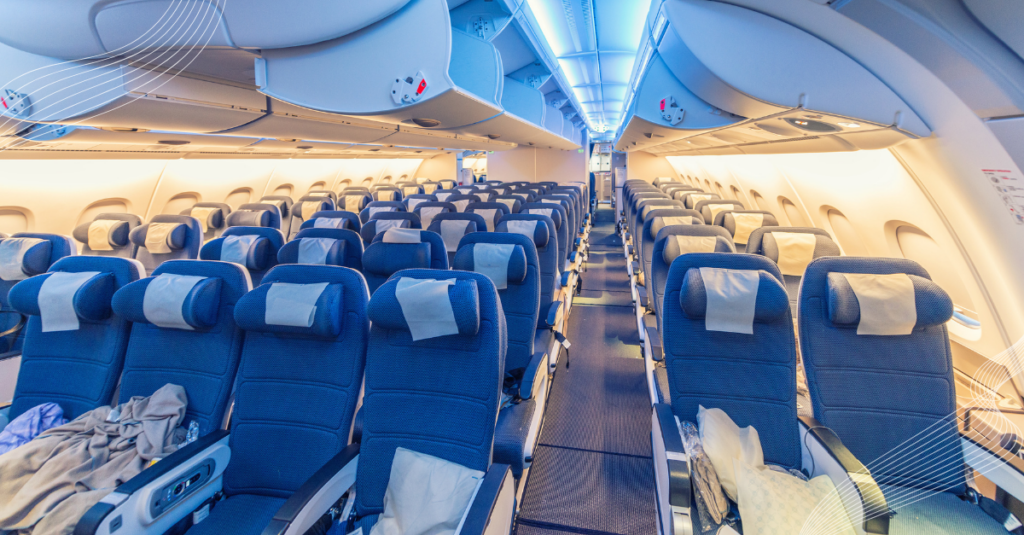
Putting a seat belt on allowance use: how aviation could do its part
This brief proposes that access by airlines to emission allowances from other sectors should gradually be reduced.
EU ETS review: impacts on the market balance
In this brief, we analyse how the proposed changes will impact the supply and demand balance of the emission allowance market.
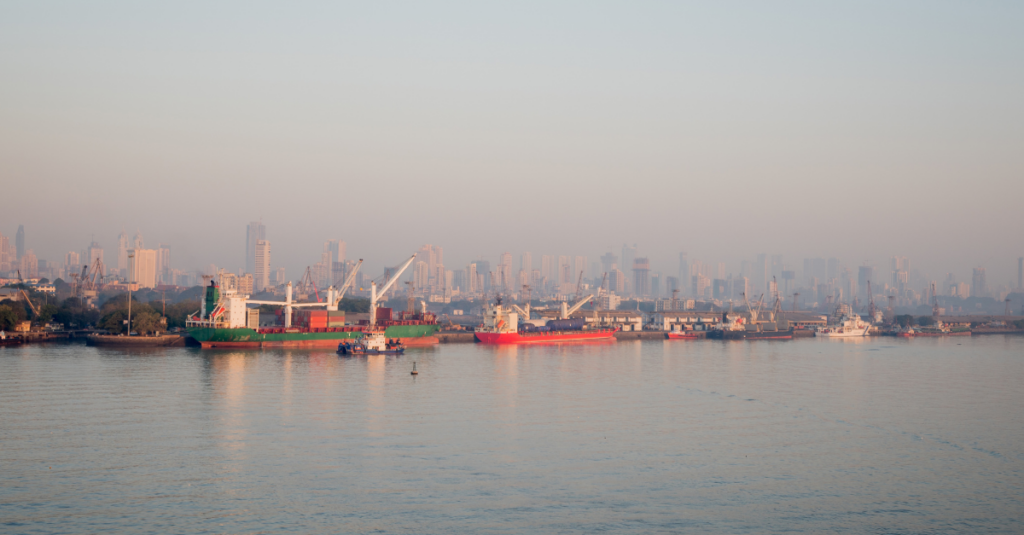
The CBAM’s real impact on India
This report makes a granular assessment of India’s ability to remain competitive in the EU market under the CBAM.
Sandbag responds to Thyssenkrupp
Our technical brief on how the ETS is a net benefit for European steelmakers was covered by ESG.Table, alongside a response from Thyssenkrupp Steel, which raised three objections. This response analyses the German steelmaker’s claims.
EU steelmaking: the ETS money is coming!
This brief challenges recent industry claims that EU steelmakers are being harmed by the EU’s Emissions Trading System and finds that the opposite is true.
EU ETS Reform: Let’s not invalidate climate policy!
Based on our updated EU ETS simulator, this technical brief models the impact of the several proposals on the carbon market’s supply/demand balance under the European Commission’s impact assessment emission scenarios.
Rhetoric vs reality: setting the record straight on the impact of the EU ETS on industrial competitiveness
This brief examines whether the claims by Czechia and Italy that the EU ETS is responsible for declining industrial competitiveness hold up to scrutiny.

Carbon pricing trends in Asia
This report by Carbon Market Watch, with analysis by Sandbag, examines potential CBAM costs for Japan, South Korea, Vietnam, Indonesia, and the Philippines, based on their trade exposure, production outlooks, and progress toward implementing a domestic carbon price signal.
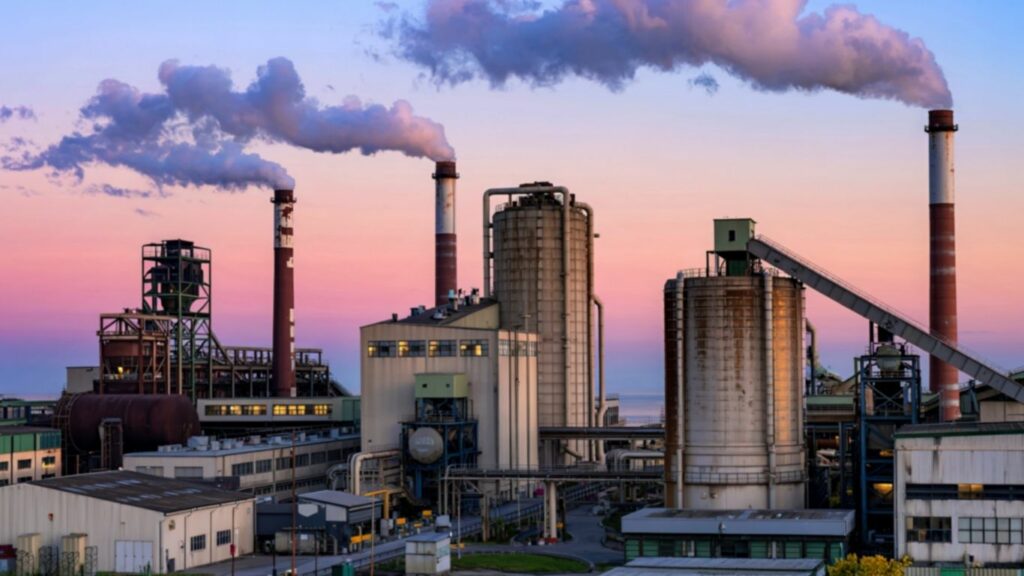
Chemicals and CCS/U: Exploring the role of carbon capture in the sector’s transition to ‘circularity’
This technical brief explores the potential role of carbon capture, storage and utilisation (CCS/U) for Europe’s chemicals sector.
We find that CCS/U will be necessary in Europe’s chemicals sector, but only to a limited extent in targeted applications.
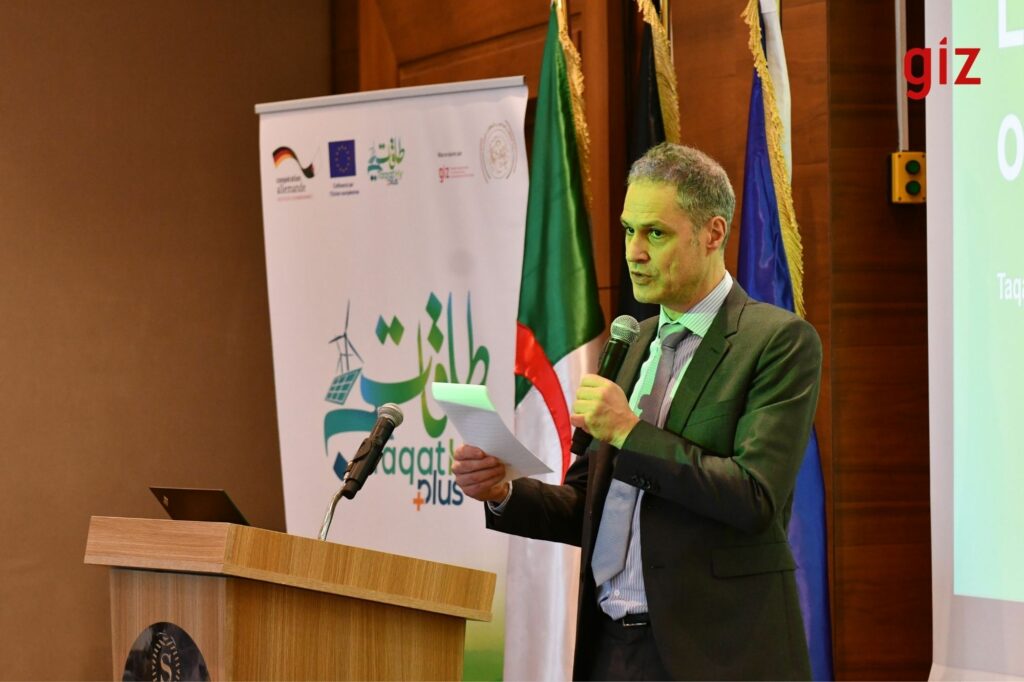
The EU CBAM gives a boost to Algeria’s iron exports
Sandbag’s brief assesses how the EU Carbon Border Adjustment Mechanism (CBAM) may affect Algeria’s iron and steel exports. It finds that although Algeria’s overall exposure to CBAM is limited, rising EU carbon costs are likely to increase EU market prices, with implications for the revenues and competitiveness of Algerian exports.

Mundo Matogné. Rue d’Edimbourg 26, Ixelles 1050 Belgium. Sandbag is a not-for-profit (ASBL) organisation registered in Belgium under the number 0707.935.890. EU transparancy register no. 277895137794-73. VAT: BE0707935890