

The CBAM’s real impact on India
This report makes a granular assessment of India’s ability to remain competitive in the EU market under the CBAM.
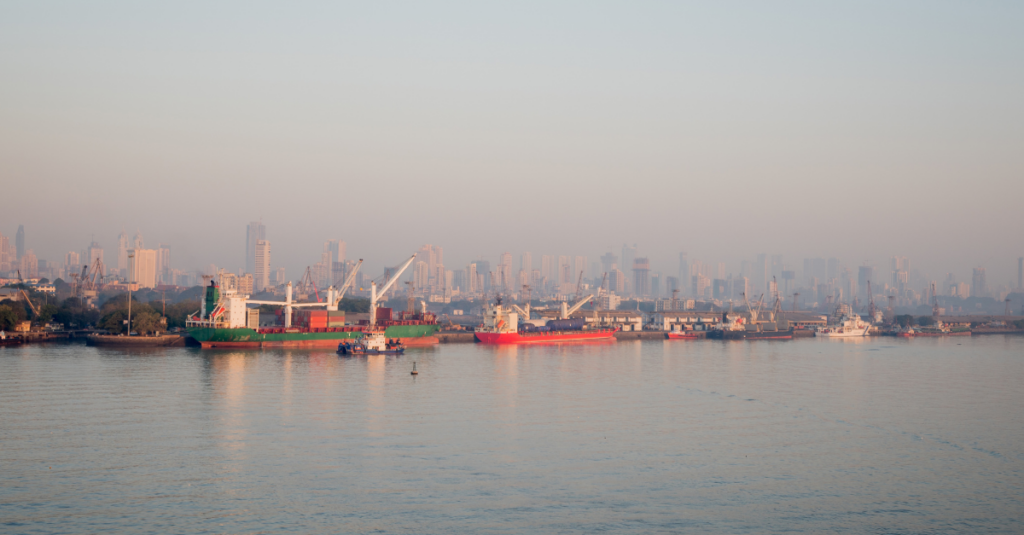
This report makes a granular assessment of India’s ability to remain competitive in the EU market under the CBAM.
Our webinar aims to present and discuss our upcoming report on the CBAM’s impact on India and introduce our updated CBAM simulator.
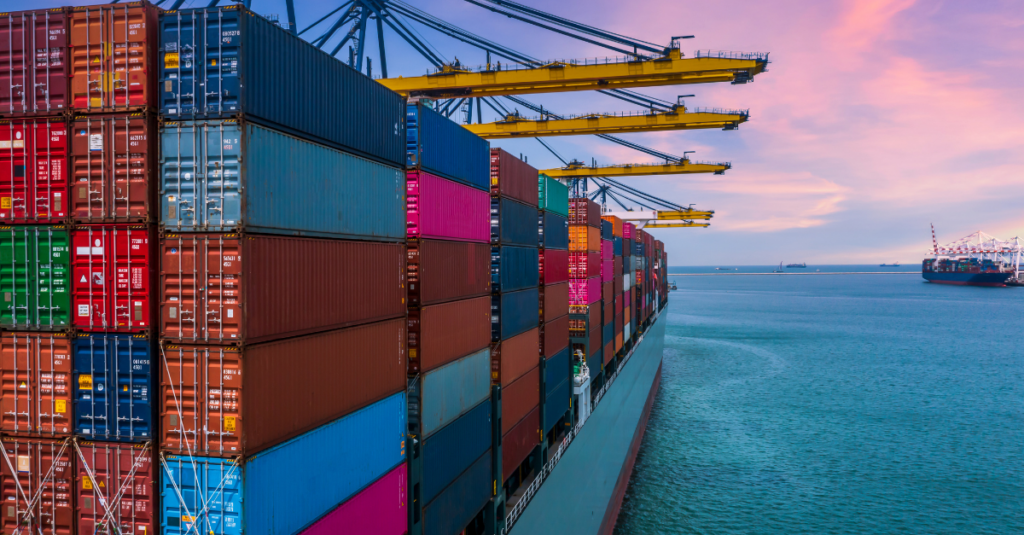
Sandbag’s response to the European Commission’s public consultation on the carbon price paid in third countries under the CBAM.
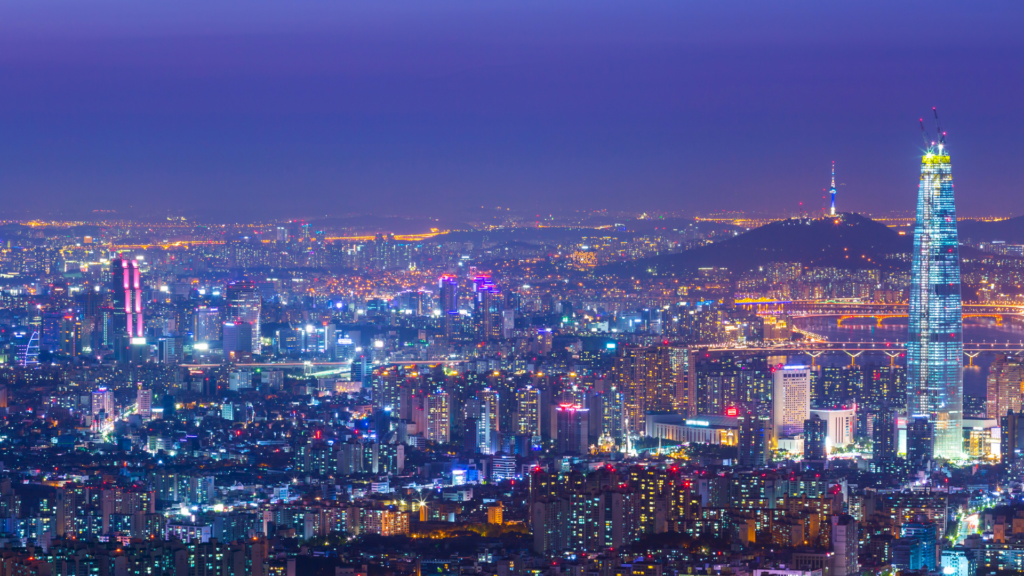
This report by Carbon Market Watch, with analysis by Sandbag, examines potential CBAM costs for Japan, South Korea, Vietnam, Indonesia, and the Philippines, based on their trade exposure, production outlooks, and progress toward implementing a domestic carbon price signal.
Our position paper on the Commission’s legislative proposal amending the CBAM proposes an opt-in solution to CBAM circumvention and complexity.
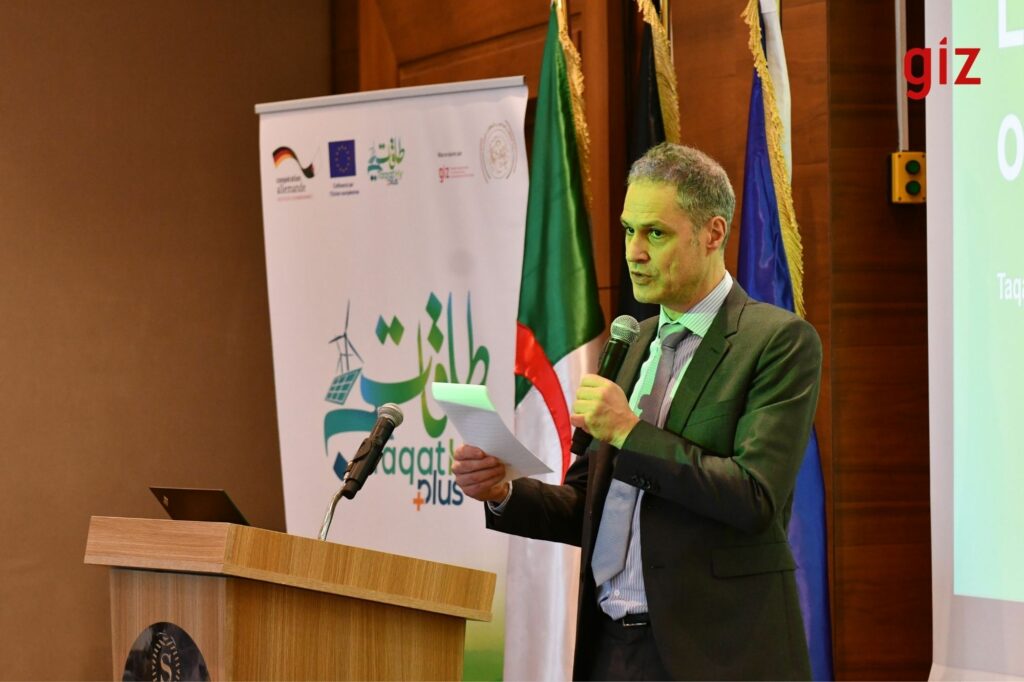
Sandbag’s brief assesses how the EU Carbon Border Adjustment Mechanism (CBAM) may affect Algeria’s iron and steel exports. It finds that although Algeria’s overall exposure to CBAM is limited, rising EU carbon costs are likely to increase EU market prices, with implications for the revenues and competitiveness of Algerian exports.
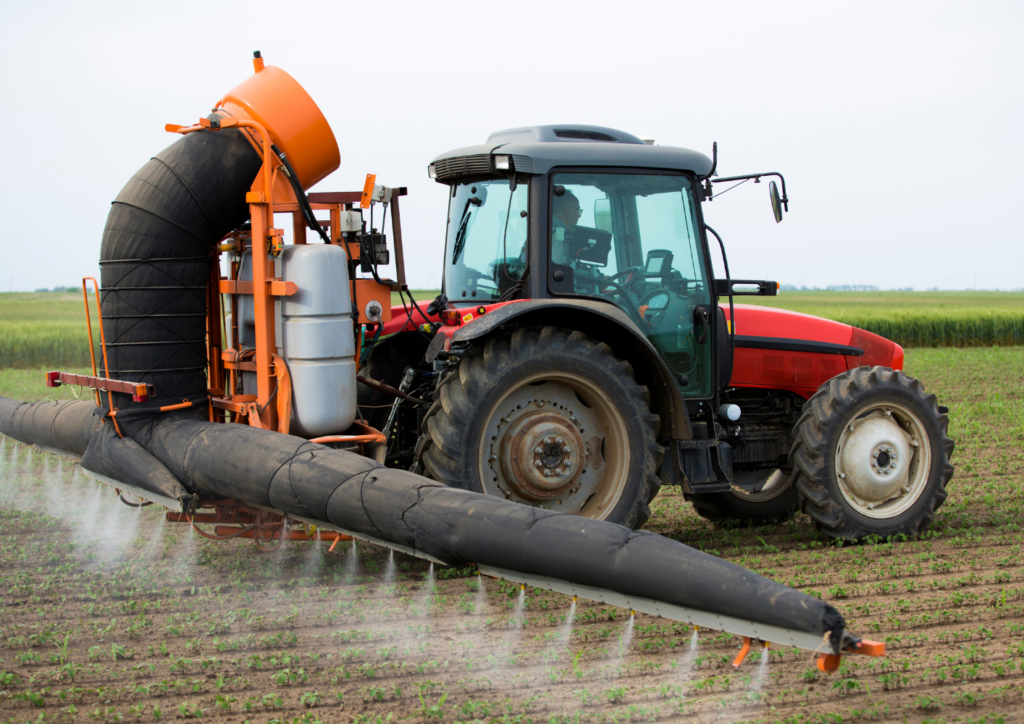
Estimates suggesting that the EU’s Carbon Border Adjustment Mechanism (CBAM) could increase fertiliser prices by up to 30% have brought a central question into focus: how significant is the inflationary impact likely to be?
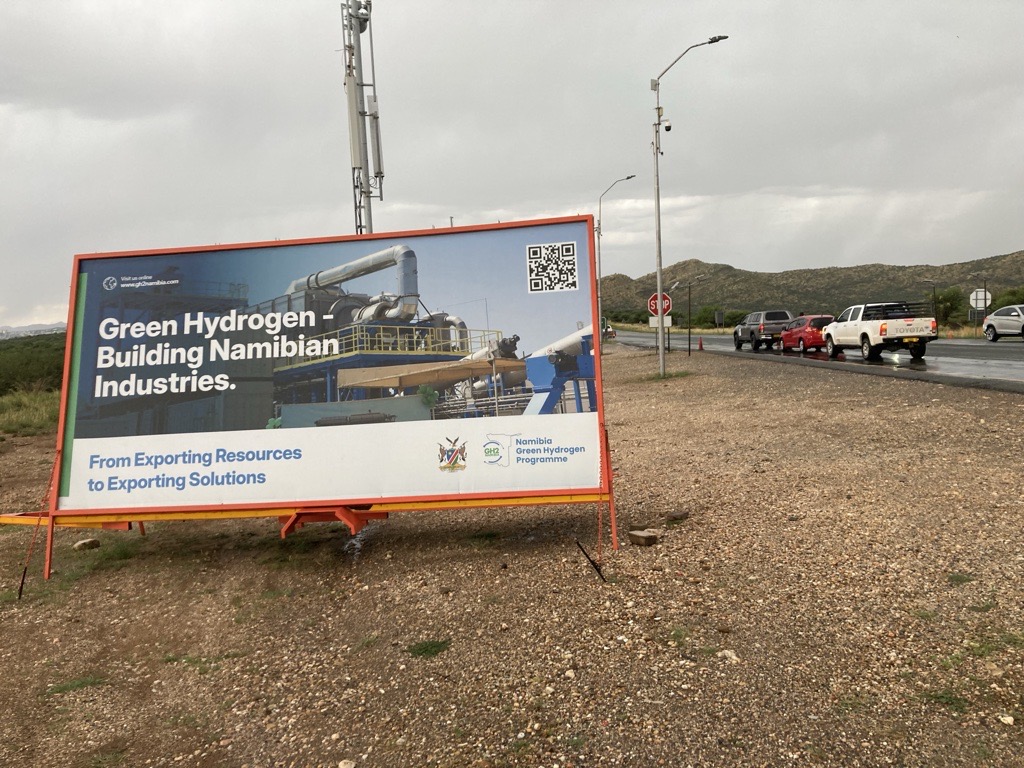
This research note shows that Namibia and Ghana are likely to benefit from the CBAM, as EU price increases linked to the EU ETS outweigh CBAM fees under current exports. It also sets out transparent transformation scenarios, based on announced industrial projects, to show how expanded and lower-emissions production could further increase export revenues over time.
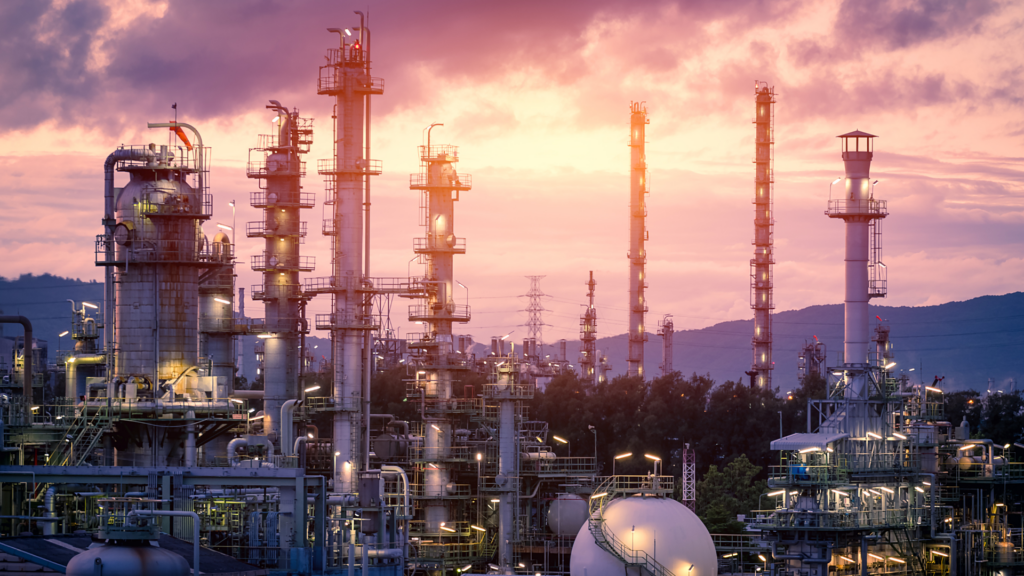
Sandbag’s latest brief explains why the EU CBAM must be expanded to cover key chemical value chains. With chemicals and refinery products responsible for 30% of industry emissions, phased inclusion is critical to prevent carbon leakage and phase out free allowances.

Mundo Matogné. Rue d’Edimbourg 26, Ixelles 1050 Belgium. Sandbag is a not-for-profit (ASBL) organisation registered in Belgium under the number 0707.935.890. EU transparancy register no. 277895137794-73. VAT: BE0707935890