

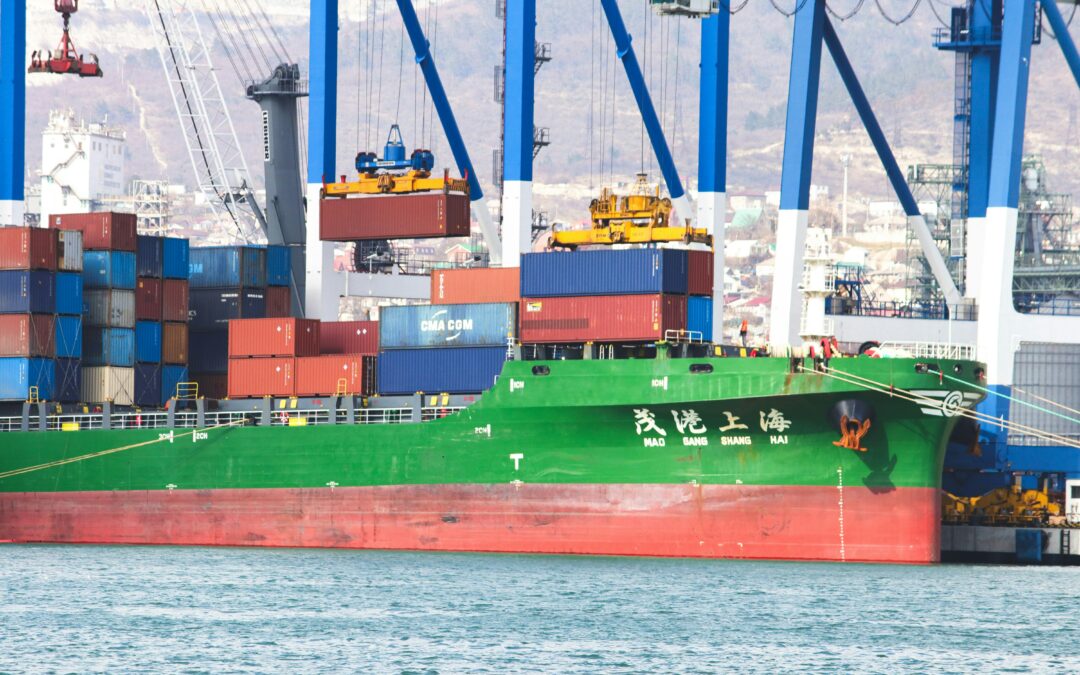
A guide to the EU CBAM – perspectives for Chinese stakeholders
This report reveals the implications of the EU’s CBAM for Chinese firms and outlines ways that Chinese firms can address relevant challenges.

This report reveals the implications of the EU’s CBAM for Chinese firms and outlines ways that Chinese firms can address relevant challenges.

This report makes a granular assessment of India’s ability to remain competitive in the EU market under the CBAM.

Our webinar aims to present and discuss our upcoming report on the CBAM’s impact on India and introduce our updated CBAM simulator.

This report by Carbon Market Watch, with analysis by Sandbag, examines potential CBAM costs for Japan, South Korea, Vietnam, Indonesia, and the Philippines, based on their trade exposure, production outlooks, and progress toward implementing a domestic carbon price signal.
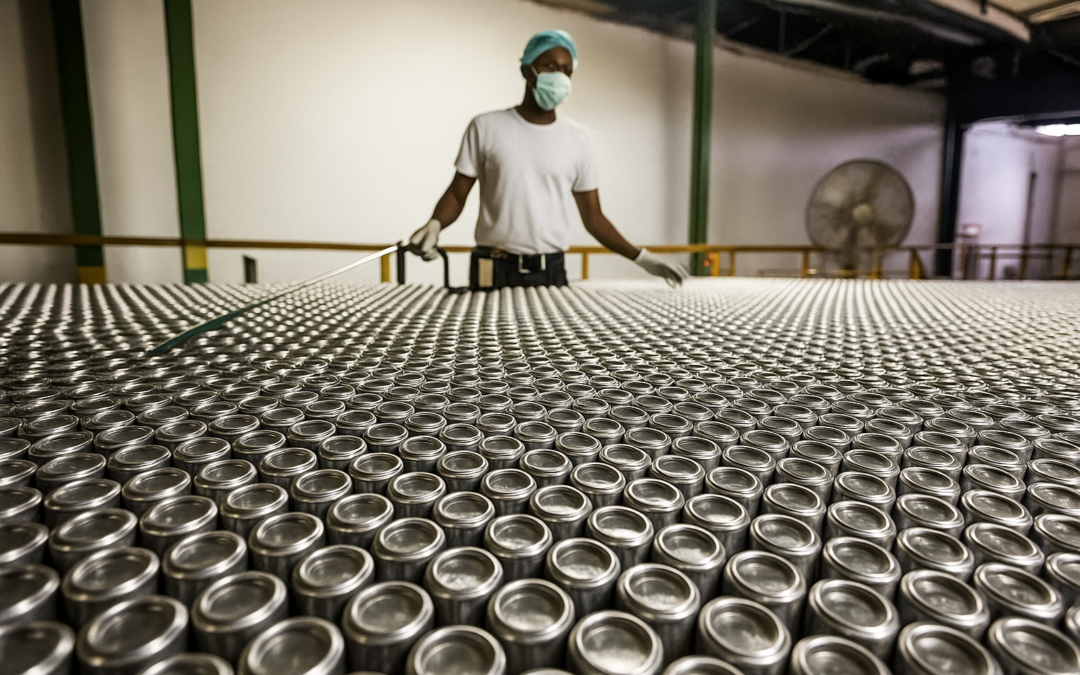
The Carbon Border Adjustment Mechanism CBAM is often misunderstood as a trade policy whereas it is actually a climate policy. Its only objective, as stated in Article 1 of the CBAM Regulation, is to replace the current system of free allocation of emission allowances to EU-based manufacturers under the EU carbon market.