A new joint statement urges the EU to set binding targets for recycled steel use in cars, citing the climate benefits of secondary steel and the need to reduce demand for high-emission imports.
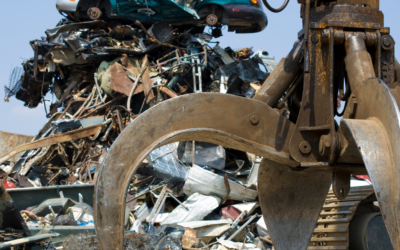

A new joint statement urges the EU to set binding targets for recycled steel use in cars, citing the climate benefits of secondary steel and the need to reduce demand for high-emission imports.
Free allocation has long been used to address carbon leakage under the EU ETS, but it has key limitations. It only covers emissions up to benchmark levels, fails to reward cleaner EU producers, and forfeits auction revenues that could support decarbonisation. It also creates perverse incentives by making high-emission goods artificially cheap.
Industrial heat electrification is a key strategy for decarbonising energy-intensive industries by replacing fossil-based heat. We welcome the European Commission’s initiative to launch an auction to electrify industrial heat, while emphasising the need for careful design to prevent unintended increases in emissions due to electricity grid dynamics.
Aluminium production remains challenging to decarbonise. This brief examines the limited potential of Carbon Capture and Utilisation (CCS/U) in the sector and explores alternative approaches that may offer more effective emissions reductions.

The EU has around 286 million motor vehicles, and every year, 6.5 million of these are scrapped. If the steel scrap from these end-of-life vehicles (ELVs) is not managed well, valuable resources are lost, harming the environment.

For ‘low carbon’ hydrogen to truly make a positive contribution to Europe’s transition to climate neutrality, the safeguards put in place must be meaningful. Unfortunately, this does not appear to be the case in this draft delegated act.
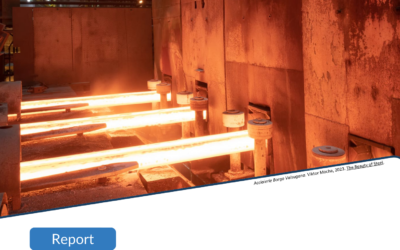
Electrification and flexibility are critical to decarbonising both industrial and electricity systems. But what happens when we combine the two? Industrial flexibility will play an increasingly important role as industry moves towards electrification.

This brief analyses 2023 emissions under the EU Emissions Trading System (EU ETS), using the latest data available from the EU Transaction Log (EUTL) . It particularly focuses on the iron and steel sector.
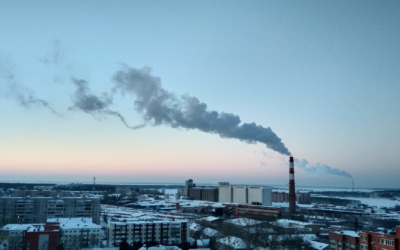
Sandbag urges strict safeguards on permanent CCU within the EU ETS, calling for clear permanence standards, transparent product reviews, and faster removal of free allowances, while stressing CCU must complement (not replace) direct emission reductions.
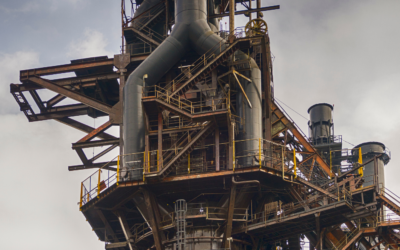
Carbon capture, storage and/or utilisation (CCS/U) technologies are often touted as a ‘catch all’ solution for the decarbonisation of heavy industry, but their effectiveness and relevance vary widely across applications. This new report offers a comprehensive assessment of CCS/U technologies in the context of iron and steel manufacturing in Europe.